Author

Derek Finnegan

How Long Does a Brick Wall Last? Exploring Design, Installation, Maintenance, and Costs

July 11, 2025
Comments Off on How Long Does a Brick Wall Last? Exploring Design, Installation, Maintenance, and Costs

Brick walls have stood the test of time for centuries, admired for their durability, aesthetic appeal, and versatility. Whether you’re considering an exposed brick feature wall in your living room, a rustic brick backsplash in your farmhouse kitchen, or a sturdy exterior brick façade, understanding how long a brick wall lasts and what it takes to maintain it is essential. In this comprehensive guide, I’ll walk you through interior and exterior brick wall design ideas, the DIY process of brick veneer installation, maintenance tips for exposed brick, a thorough cost analysis, and a comparison of different brick styles.

Interior and Exterior Brick Wall Design Ideas

Brick walls can transform spaces with their unique textures, colors, and patterns. Here are some inspiring ideas to consider:

Interior Brick Wall Ideas

  • Exposed Red Brick Living Room: The classic red brick wall adds warmth and character. To lighten the atmosphere, consider a DIY whitewash recipe or german schmear technique, which creates a rustic, textured finish without hiding the brick’s natural charm.
  • Painting Brick Walls: Painting brick black or charcoal painted brick can bring a modern, industrial loft vibe. Use the best paint for brick fireplace or walls to ensure durability and color retention.
  • White Painted Brick Living Room: For a fresh, airy feel, white paint on brick walls brightens up the room and complements boho living room decor or modern furniture with brick wall backdrops.
  • Farmhouse Kitchen Brick Backsplash: A sealed brick backsplash offers a rustic charm while protecting surfaces against grease and stains. Cleaning grease off brick can be a challenge, so sealing is crucial.
  • Basketweave Brick Patterns: Incorporate creative brick laying patterns like basketweave to add architectural interest to both walls and floors.

Exterior Brick Wall Ideas

  • Traditional Red Brick Façade: Timeless and durable, red brick exterior walls provide excellent thermal mass and energy savings.
  • Recycled Brick for Sustainable Building: Using recycled brick is an eco-friendly choice that supports natural building materials and adds historic character.
  • Modern Facade with Painted or Sealed Brick: Consider sealing exterior brick with matte varnish for brick or a high-quality sealant to protect against weathering and moss growth.
  • Soundproof Brick Walls: Brick’s acoustic performance makes it an effective sound barrier wall material, reducing noise between rooms or outdoor noise pollution.

DIY Brick Veneer Installation: A Practical Guide

If you want the look https://www.freshdesignblog.com/2025/06/brick-wall-designs-timeless-charm-for-contemporary-spaces/ of brick without the full weight or cost of real brick walls, thin brick veneer is an excellent option. Here’s what you need to know about DIY brick veneer installation.

What Is Thin Brick Veneer?

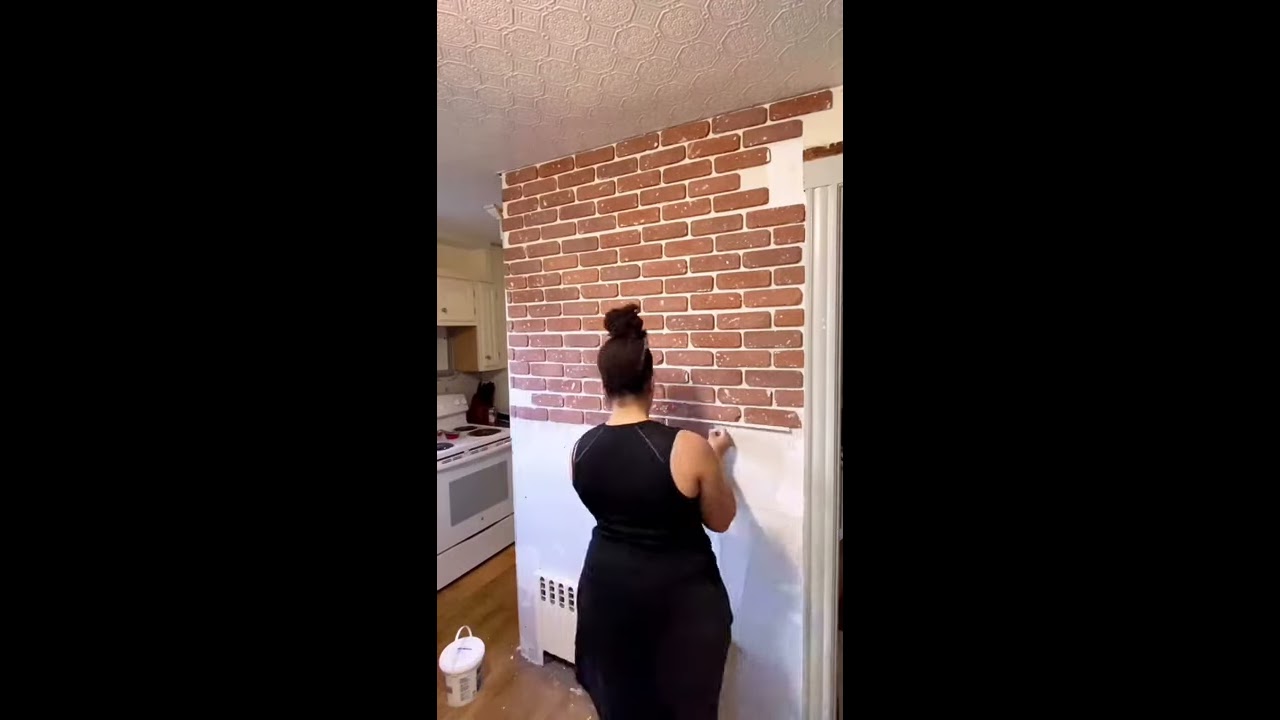
Thin brick veneer consists of real brick slices cut to about 1/2 inch thick or less, designed to be applied like tile onto walls. It gives the authentic brick appearance while being lighter and easier to install.

Pros and Cons of Thin Brick Veneer

Pros Cons Lightweight and easier to handle Less durable than full-thickness brick walls Lower cost than full brick Needs proper sealing to avoid moisture issues Versatile for interior and exterior use May require professional labor for best results DIY-friendly with the right tools Not suitable for structural support

Tools for Brick Veneer Installation

  • Trowel and mortar hawk
  • Level and measuring tape
  • Wet saw or angle grinder with diamond blade for cutting veneer
  • Notched trowel for mortar application
  • Grout bag or pointing tool
  • Safety gear (gloves, goggles)

Step-by-Step: How to Install Thin Brick Veneer

  • Prepare the Wall Surface: Clean and repair any cracks or holes. Ensure the surface is flat and primed if necessary.
  • Apply Mortar: Using a notched trowel, spread mortar evenly on the wall in small sections.
  • Set the Brick Veneer: Press thin bricks firmly into the mortar, maintaining even spacing for mortar joints.
  • Cut Bricks to Fit: Use a wet saw to cut veneer pieces around edges, windows, or outlets.
  • Grout the Joints: After mortar sets, fill joints with grout or mortar using a grout bag or pointing tool.
  • Seal the Surface: Once dry, apply the best sealant for old brick or matte varnish for brick to protect the veneer and enhance longevity.
  • Peel and Stick Brick Review

    For a super-easy, no-mess alternative, peel and stick brick panels offer quick installation. However, they lack the authenticity, durability, and soundproofing benefits of real brick or thin veneer. They’re best suited for temporary or accent walls.

    Maintenance Tips for Exposed Brick

    Exposed brick walls bring beauty but come with their own set of challenges. Here’s how to tackle common exposed brick problems and keep your brick walls looking great.

    Common Exposed Brick Problems

    • Brick Wall Dust: Crumbling bricks or mortar can create dust, which requires regular cleaning.
    • Is Exposed Brick Hard to Maintain? It can be if left unsealed or neglected. Dust, moisture, and grease buildup are common issues.
    • Cleaning Crumbling Brick: Use gentle brushing and specialized brick cleaners to remove loose particles without damage.
    • Efflorescence: White salt deposits on brick surfaces can be cleaned with vinegar solutions or commercial efflorescence removers.
    • Grease and Stains: For kitchen backsplashes, sealed brick is essential. To clean grease off brick, use degreasers safe for masonry.

    Sealing Interior Brick

    Applying sealant to interior brick can dramatically reduce dust, moisture infiltration, and staining.

    • Best Sealant for Old Brick: Look for breathable sealants that preserve the brick’s natural texture without trapping moisture.
    • Matte Varnish for Brick: Provides a subtle finish, maintaining the rustic look while adding protection.

    Repointing Brickwork Indoors

    Over time, mortar joints may crack or erode. Repointing involves removing old mortar and filling joints with fresh mortar using a mortar repair kit. DIY mortar repair is possible with patience and the right tools.

    actually,

    When to Repoint Brick

    • Visible cracks or gaps in mortar
    • Loose or crumbling mortar
    • Water infiltration or damp patches

    Cost Analysis: Brick Walls vs. Veneer

    Understanding the price per square foot for brick wall installation and brick veneer installation cost is key to budgeting your project. …but anyway.
    Cost Component Full Brick Wall Thin Brick Veneer Material Cost $6 – $12 per sq. ft. $3 – $7 per sq. ft. Labor Cost for Bricklayer $10 – $25 per sq. ft. $5 – $15 per sq. ft. Installation Complexity Structural and time-intensive Less intensive, suitable for DIY Total Estimated Cost $16 – $37 per sq. ft. $8 – $22 per sq. ft.

    Cost difference brick vs. veneer can be significant, especially when factoring in labor and structural considerations. For budget-conscious projects, cheap brick wall ideas often involve brick veneer or even peel and stick options, though with trade-offs in durability.

    Comparing Different Brick Styles

    Choosing the right brick style influences aesthetics, maintenance, and longevity. Here’s a quick comparison:

    Brick Style Thickness Durability Maintenance Ideal Use Traditional Full-Size Brick 3-4 inches (real brick wall thickness) Very high Low to moderate (periodic repointing) Exterior walls, structural Thin Brick Veneer 1/2 inch or less Moderate Requires sealing, occasional touch-ups Interior walls, decorative exterior Painted Brick Varies Moderate Repainting needed every few years Modern interiors, fireplaces Whitewashed/German Schmear Varies Moderate Reapplication over time Rustic, farmhouse style interiors

    Additional Insights: Sustainability and Energy Efficiency

    Brick is a natural building material with great sustainability credentials. Its thermal mass helps regulate indoor temperatures, contributing to energy savings over time. Using recycled brick further reduces environmental impact. Moreover, brick’s acoustic performance makes it a smart choice for soundproof walls, enhancing comfort in urban or multi-family dwellings.

    Final Thoughts

    So, how long does a brick wall last? When properly installed and maintained, full brick walls can last well over a century, often outliving the buildings they support. Thin brick veneer, while not structural, can last decades with proper sealing and care. The key to longevity lies in choosing the right brick style for your needs, investing in quality installation, and committing to regular maintenance—whether that’s sealing interior brick, repointing mortar joints, or cleaning exposed surfaces.

    Whether you’re drawn to the rustic charm of exposed brick, the sleek appeal of painted brick walls, or the cost-effective beauty of brick veneer, there’s a brick solution that fits your style and budget. With the right knowledge and tools, you can create stunning brick features that stand the test of time.

    How Do Skylights Improve Indoor Air Quality?

    July 11, 2025
    Comments Off on How Do Skylights Improve Indoor Air Quality?

    Look, if your house feels dark, damp, or just plain stale, you’re not alone. Many homeowners struggle with rooms that never seem to get enough fresh air or natural light. Ever wonder why some spaces feel stuffy while others seem to breathe on their own? Here’s the thing: adding a skylight isn’t just about brightening up a room; it can seriously improve your indoor air quality and overall living experience.

    As someone who’s installed hundreds of skylights over 15 years, I can tell you straight up: skylights are more than a pretty addition. They’re a practical fix for dark, poorly ventilated spaces that helps with energy efficiency, health, and even your home’s resale value. So, what’s the bottom line? Are skylights worth it? Let’s dig into the skylight pros and cons, installation costs, and real benefits—especially when it comes to fresh air and moisture control.

    Boosting Natural Light in Dark Spaces

    Dark hallways, cramped bathrooms, and kitchens that feel boxed in—these are roofingtoday.co.uk common problem areas where skylights shine (pun intended). Think about it this way: relying only on artificial light causes eye strain and leaves your home feeling gloomy. A skylight floods these spaces with natural sunlight, making your rooms feel bigger, brighter, and more inviting.

    • Insider tip: Tubular skylights are perfect for small, compact areas like hallways or walk-in closets where a regular skylight won’t fit.
    • Placing a skylight in a dark hallway can eliminate the need to turn on lights during the day, cutting down your electricity bill.
    • Using a tubular skylight to brighten a windowless walk-in wardrobe is a game-changer for visibility and style.

    Keep in mind, though, not all skylights are created equal. There’s a big difference between fixed and vented skylights:

    Fixed Skylight Vented (Opening) Skylight Non-opening, sealed tight Can be opened for fresh air and ventilation Less maintenance, lower risk of leaks Better for moisture control and removing odors Great for rooms that just need light Ideal for kitchens, bathrooms, and living areas

    Improving Energy Efficiency and Saving Money

    Is a skylight worth it when you’re watching the budget? The answer depends on the quality of your skylight and installation. The average price for skylight installation varies widely, but expect to pay for the skylight itself (which can range from a few hundred to over a thousand dollars) plus labor costs for skylight installation. Labor cost for skylight installation can be steep if roof flashing repair or skylight leak repair is needed.

    That said, a well-installed, energy-efficient skylight can reduce your reliance on artificial lighting and even help with heating and cooling:

    • Look for Energy Star rated skylights with low-e coatings that reduce heat gain in summer and heat loss in winter.
    • Triple glazed skylights filled with argon gas are top-tier for insulation.
    • Using blackout skylight shades or cellular shades helps you control light and temperature.

    At the end of the day, skylight return on investment isn’t just about utility savings—it also boosts your home value. Roofing Today reports that skylights can increase your resale value skylights by making your home more attractive to buyers who want bright, airy spaces.

    Enhancing Ventilation and Indoor Air Quality

    This is where the real magic happens. You know what the real problem is with many homes? Poor ventilation. Bathrooms smell musty, kitchens hold onto cooking odors, and dampness lingers like an unwanted guest. Vented skylights are a simple, elegant solution.

    Opening skylight benefits include:

    • Letting fresh air in to reduce indoor pollutants and moisture buildup.
    • Helping bathroom ventilation skylight setups prevent mold and mildew growth.
    • Acting as a natural ventilation system that complements your HVAC, reducing stale air.
    • Helping kitchens get rid of cooking odors and smoke without relying solely on noisy exhaust fans.

    For tight spaces like a small skylight for toilet or compact bathroom, a vented skylight can make a huge difference in moisture control bathroom-wise, preventing condensation problems and keeping air fresh.

    Truth is, fixed skylights look nice but won’t help much with air quality. If you’re serious about improving indoor air quality, a vented skylight is worth the slightly higher skylight installation cost and occasional maintenance.

    Positive Effects on Health and Wellbeing

    Natural light does more than just illuminate your home—it impacts your mood, productivity, and overall health. Studies show that sunlight exposure helps regulate circadian rhythms, boosts vitamin D production, and reduces symptoms of depression.

    Think about it this way: a skylight isn’t just an architectural feature; it’s a wellness upgrade. Whether you’re working from home or just relaxing, better natural light improves focus and lifts your spirits.

    Want to take it a step further? Motorized blinds or remote control skylight blinds from companies like Sona Shades let you adjust light levels throughout the day, helping you avoid glare and maintain comfort.

    Making Interiors Feel More Spacious and Stylish

    Here’s the deal: even the best paint job can’t substitute for natural light. Skylights add a dimension of openness that makes rooms feel larger and more stylish. That’s especially true in spaces with high ceilings or unusual architecture.

    • Sun tunnels or tubular skylights provide natural light in tight spots without major roof changes (sun tunnel review is generally positive for small spaces).
    • Using thermal skylight blinds or cellular shades keeps the space cozy while maintaining that open feel.
    • Skylights can act as design features that add curb appeal and boost home value.

    Common Mistakes and How to Avoid Them

    Not all skylight installations go smoothly. Here are some pitfalls I see all the time:

  • Wrong placement: Not having enough light in hallways, kitchens, or bathrooms because the skylight is poorly positioned. Measure thrice, cut once.
  • Cheap materials and installation: Skylight leaking issues and condensation problems are often due to poor sealing. Proper sealing a skylight and roof flashing repair are essential.
  • Ignoring ventilation needs: Installing a fixed skylight in a moisture-prone bathroom usually leads to issues. Vented skylights or supplemental ventilation is necessary.
  • Skipping energy-efficient options: Skylight heat gain can be a nightmare if you don’t choose low-e coatings or argon gas-filled triple glazing.
  • Final Thoughts: Is a Skylight Worth It?

    At the end of the day, skylights offer multiple benefits—from improving indoor air quality and reducing energy costs to boosting your mood and home’s resale value. Sure, there are skylight installation costs and some maintenance involved, but when done right with quality products and proper placement, the advantages far outweigh the disadvantages of skylights.

    So, if your home feels dark, stuffy, or damp, a skylight—especially a vented one—might be exactly what you need to breathe new life into your space. And if you’re on the fence about which type to choose, don’t hesitate to ask a pro who can measure your space and recommend the right solution.

    Need help with skylight leak repair or advice on motorized blinds? Companies like Roofing Today and Sona Shades are good places to start. Remember, a well-installed skylight is an investment in your home’s comfort and value—not just a fancy window in the roof.

    greatviolincases.com Reviews Legit or Scam: Choosing the Best Violin Case

    July 11, 2025
    Comments Off on greatviolincases.com Reviews Legit or Scam: Choosing the Best Violin Case

    Look, if you’re hunting for a student violin case or a beginner violin case, you probably stumbled upon sites like greatviolincases.com and wondered, “Is this legit or just another scam?” Between you and me, the online violin case market is flooded with options, and not all are created equal. So today, I’m going to cut through the fluff and give you an honest, no-BS guide on picking the best violin case for your needs — whether you’re a kid schlepping your violin to lessons, a pro flying cross-country, or a parent trying to protect a pricey instrument without breaking the bank.

    Why Choosing the Right Violin Case Matters

    You know what’s funny? Most folks buy violin cases based on how they look or how flashy the colors are. But here’s the thing — a case that looks cool but fails at protecting your violin is a false economy. We’re talking about instruments that can cost thousands of dollars, and a case that can’t handle a drop or a hard airport handler? That’s a disaster waiting to happen.

    At the end of the day, a good case should balance durability, weight, and practical features. It should be easy enough to carry (especially for kids), tough enough to protect, and comfortable enough to walk around with all day. Let’s break down what that really means.

    Top Violin Case Brands: Bam vs Gewa vs Bobelock

    Between Bam, Gewa, and Bobelock, the violin case world has some clear favorites. But which one is really better? Let’s do a quick violin case brand comparison to get a sense of their strengths and weaknesses.

    Bam Cases

    • Pros: Bam is the go-to for professional players who travel a lot. Their cases, especially the Bam Hightech line, are known for excellent suspension systems that protect against drops and shocks.
    • Cons: They tend to be on the pricier side and sometimes heavier than the absolute lightest options.
    • Insider tip: Bam cases have tighter latches and stronger hinges — trust me, that’s what keeps your case intact after years of gigs and flights.

    Gewa Cases

    • Pros: Gewa strikes a nice balance between weight and protection. The Gewa Pure violin case, for example, is a favorite among students and traveling musicians because it’s lightweight and adjustable. It’s even approved as carry-on luggage on most airlines.
    • Cons: Some players find Gewa cases slightly less robust than Bam, especially on the suspension front.
    • Insider tip: Flying with the Gewa Pure case is a breeze — lightweight case for flying doesn’t mean sacrificing protection here.

    Bobelock Cases

    • Pros: Bobelock offers durable fiberglass cases that come in a variety of fun colors. The Bobelock 1062 is popular for combining solid protection with style — it weighs around 3.5 to 4 pounds, which is manageable for kids and beginners.
    • Cons: The fiberglass shell, while tough, isn’t as impact-absorbent as Bam’s carbon fiber or suspension cases.
    • Insider tip: If you’re looking for an affordable violin case that doesn’t scream “boring,” Bobelock 1062 colors might just be your best bet.

    Gewa vs Bam: Which is Better?

    So, what’s the bottom line when comparing Gewa vs Bam cases? Honestly, it boils down to your priorities:

  • Protection: Bam edges out Gewa with better suspension and tougher shells, making it ideal for frequent flyers and pros.
  • Weight: Gewa Pure cases are generally lighter and easier to carry for students and kids.
  • Price: Gewa tends to be more affordable, especially for beginner violin cases.
  • Between Bam Hightech vs Gewa Air, Bam Hightech is more rugged but heavier; Gewa Air is built for lightweight convenience.

    Materials Matter: Carbon Fiber vs Fiberglass Case

    When it comes to durable violin case material, you’ll hear a lot about carbon fiber and fiberglass. Here’s the lowdown:

    Material Pros Cons Carbon Fiber Extremely lightweight, very sturdy, superior impact resistance, premium look Expensive, sometimes overhyped without proper suspension inside Fiberglass Durable, affordable, decent protection, available in many colors Heavier than carbon fiber, less shock absorption

    Pros and cons of carbon fiber violin case aside, if you want the lightest violin case material, carbon fiber wins hands down. But, if you’re on a budget and want something that still offers solid protection, fiberglass (like the Bobelock fiberglass case) is a smart choice.

    Weight and Comfort: How Much Does a Violin Case Weigh?

    Ever notice how some cases feel like you’re lugging a small suitcase? That’s the problem with heavy wood cases — they might offer good protection, but they’re a nightmare for kids who have to carry them every day. Weight is a critical factor for easy to carry violin case and violin case for walking purposes.

    Here’s a quick idea:

    • Wood cases: Usually heavier, often over 6 pounds, not ideal for kids.
    • Fiberglass cases (e.g., Bobelock 1062): Around 3.5-4.5 pounds, durable and manageable.
    • Carbon fiber cases: Can be as light as 2.5-3.5 pounds, premium protection.
    • Gewa Pure: About 3.5 pounds, adjustable and student-friendly.

    Also, don’t overlook violin case comfortable straps. A good padded shoulder strap or backpack-style harness can make all the difference Star Musiq Web when you’re hauling your violin around all day.

    Shape and Storage: Oblong vs Shaped Cases

    Another common mistake is not considering the shape of the case. There are basically two types:

    • Oblong cases: Rectangular, often lighter, more storage space for accessories like music sheets and rosin, but can be bulkier.
    • Shaped cases: Contour to the violin’s shape, usually offer better padding, but less storage and sometimes heavier.

    Depending on whether you prioritize storage or compactness, this could sway your decision.

    Real-World Examples: Gewa Pure and Bobelock 1062

    Let me give you two examples I’ve seen in use:

  • Gewa Pure Violin Case: This one’s a solid pick for students. It’s lightweight, fits various violin sizes thanks to adjustable padding, and flies as a carry-on with no fuss. If you’re after an affordable violin case that doesn’t compromise on protection or convenience, this is it.
  • Bobelock 1062: The Bobelock 1062 weight is around 3.7 pounds, making it easy for kids to carry. Plus, it comes in several colors, so you get style without sacrificing durability. Is Bobelock 1062 a good case? Yes, especially if you want something that stands out and holds up.
  • What About Tonareli and Howard Core?

    Heads up: If you’re looking at Tonareli cases, be aware of some common complaints. Tonareli case latch problems and Tonareli case durability issues pop up frequently in reviews. They look sleek, but their latches can be flimsy and the protection uneven. So, Tonareli case review? I’d say proceed with caution.

    Howard Core cases, on the other hand, score well for student cases. The Howard Core CC475 is lightweight and has comfortable straps, though they’re not as widely available. Wondering where are Howard Core cases made? They’re crafted in the U.S., which some players appreciate for quality control. Are Howard Core cases good? For students on a budget, yes.

    Is greatviolincases.com a Good Site to Buy From?

    Now, let’s answer the big question: Is greatviolincases.com a good site or scam? Honestly, the site does carry legit brands like Bam, Gewa, and Bobelock, and their prices are competitive. However, customer service reviews are mixed. Some buyers report quick shipping and helpful responses, while others mention delays or difficulty reaching support.

    If you decide to buy violin case from greatviolincases.com, my advice is to double-check their return policy and read recent customer reviews. Also, cross-compare prices with other violin case store online options to ensure you’re getting a fair deal.

    Final Thoughts: Best Protection Violin Case for Your Needs

    At the end of the day, choosing the best violin case comes down to balancing your priorities:

    • For durable case for kids that’s also light and fun, Bobelock 1062 is a solid pick.
    • If you want a lightweight case for flying that handles the rigors of air travel, Bam Hightech or Gewa Pure are excellent.
    • Beginners needing an affordable violin case with decent protection should definitely consider Gewa Pure or Howard Core student cases.
    • Avoid cases chosen solely on color or style without checking their build quality and weight — that’s a rookie mistake.

    Remember, a violin case is an investment in your instrument’s safety. Don’t get swayed by marketing fluff or ‘featherlight’ claims that mean zero real protection. Tap the case shell, check the latches and hinges, and if possible, try carrying it around before you buy. Your violin, and your back, will thank you.

    Hyperbaric Chamber for Reducing Inflammation: Comparing Home Models and Safety Tips

    July 10, 2025
    Comments Off on Hyperbaric Chamber for Reducing Inflammation: Comparing Home Models and Safety Tips

    In recent years, mild hyperbaric oxygen therapy (mHBOT) has gained https://www.psychreg.org/best-hyperbaric-chamber-home-use-elevate-your-wellness-routine/ considerable attention for its promising benefits in reducing inflammation, enhancing recovery, and boosting overall wellness. The convenience of at-home hyperbaric chambers has made this therapy accessible to many who want to take control of their health journey from the comfort of home. But with so many options on the market, how do you choose the best home hyperbaric chamber for your needs? In this comprehensive guide, we’ll compare popular models, explain the key benefits of mHBOT, and provide essential safety tips for at-home use.

    Understanding Mild Hyperbaric Oxygen Therapy (mHBOT)

    Mild hyperbaric oxygen therapy involves breathing pure oxygen in a pressurized chamber at a pressure typically ranging from 1.3 to 1.5 ATA (atmospheres absolute), which is lower than traditional clinical hyperbaric treatments that operate at higher pressures. This mild pressure increase enhances oxygen delivery to tissues, helping reduce inflammation, support muscle repair, improve cognitive clarity, and promote anti-aging effects.

    Unlike medical-grade hyperbaric chambers found in hospitals, personal hyperbaric chambers are designed for safe, convenient use at home. They generally use a soft shell chamber pressurized with ambient air enriched with oxygen from a dedicated oxygen concentrator, making the experience comfortable and accessible.

    Benefits of mHBOT for Inflammation and Wellness

    • Reduce Post-Workout Inflammation: Athletes and fitness enthusiasts use mHBOT to accelerate muscle recovery by reducing inflammation and oxidative stress.
    • Energy and Fatigue Management: By increasing oxygen availability, mHBOT helps improve energy levels and reduce fatigue, especially in low oxygen conditions or chronic fatigue states.
    • Cognitive Clarity and Brain Health: Oxygen therapy supports brain metabolism, which can enhance focus, memory, and mental clarity.
    • Anti-Aging Effects: Improved oxygenation helps skin health and cellular repair, contributing to a more youthful appearance and overall wellness.
    • Support for Chronic Conditions: mHBOT may aid in managing chronic inflammation-related conditions, though it should be used as a complementary therapy under medical guidance.

    Top Rated Personal Hyperbaric Chambers: A Comparison

    When searching for a home hyperbaric chamber, many potential buyers look up home HBOT reviews and seek comparisons to understand which options provide the best features, value, and safety. Two of the most popular brands in the personal hyperbaric chamber market are Summit to Sea and Newtowne. Let’s take a closer look at these models and the key differences between them.

    Summit to Sea vs Newtowne: Key Differences

    Feature Summit to Sea Newtowne Chamber Type Vertical soft shell chamber with transparent window Horizontal soft shell chamber, foldable and lightweight Pressure Level Mild hyperbaric oxygen therapy pressure up to 1.3 ATA Similar mild pressure, around 1.3 ATA Seated Hyperbaric Chamber Yes, designed for standing or seated use Primarily horizontal, suitable for reclining Wheelchair Friendly Yes, Summit to Sea vertical chamber is wheelchair accessible No, Newtowne chamber is not wheelchair friendly Portability Moderate; requires installation but not overly bulky Highly portable and foldable, ideal for travel Price Range Summit to Sea vertical cost ranges around $15,000-$20,000 Newtowne Class 4 price typically between $12,000-$16,000 Financing Options Financing available for Summit to Sea chamber Newtowne financing options also offered Installation Summit to Sea installation requires setup but is straightforward Newtowne chamber setup is simple and can be done solo Reviews Summit to Sea chamber review highlights quality build and comfort Newtowne chamber review praises portability and ease of use

    Choosing Based on Your Needs

    If you need a wheelchair friendly HBOT option with a seated hyperbaric chamber design and don’t mind a larger setup, the Summit to Sea vertical chamber is an excellent choice. Its transparent window and vertical positioning help combat fear of enclosed spaces (HBOT claustrophobia tips), too.

    On the other hand, if you prefer a more affordable portable HBOT option that’s lightweight and ideal for travel, the Newtowne chamber is a strong contender. Its foldable design and simpler setup make it attractive for those who want flexibility.

    Understanding the Cost and Value of Home HBOT

    Investing in a personal hyperbaric chamber varies widely based on model features, pressure capabilities, and included accessories like an oxygen concentrator. The personal hyperbaric chamber price range typically falls between $10,000 and $20,000. This includes the chamber, oxygen delivery system, and necessary safety components.

    For example, the Newtowne Class 4 price is often around $12,000-$16,000, while the Summit to Sea vertical cost can be higher due to its design and wheelchair accessibility. Financing plans are commonly available from manufacturers, making the cost benefit of home HBOT more manageable.

    Considering the long-term wellness benefits such as mhbot for inflammation, oxygen therapy for cognitive clarity, and oxygen therapy for muscle repair, many users find the investment worthwhile. Of course, consulting a healthcare professional before purchase is wise to ensure the therapy aligns with your health goals.

    Is Home HBOT Safe? Essential Safety Tips

    One of the most frequently asked questions is: Is home HBOT safe? When used correctly, mild hyperbaric oxygen therapy at home is generally safe. However, following safety guidelines is critical to minimize risks.

    FDA Clearance and Regulations

    Look for an FDA cleared hyperbaric chamber to ensure the device meets safety and performance standards. Note that home oxygen therapy regulations vary, and some chambers are designed to be used without a prescription ( buy HBOT without prescription), but it’s best to consult your doctor.

    Consulting Your Doctor for HBOT

    Before beginning HBOT, discuss your plans with a healthcare professional, especially if you have underlying health conditions. Your doctor can help determine if mHBOT is appropriate and advise on session frequency and pressure levels.

    Using the Oxygen Concentrator and Masks Safely

    • Use only the supplied HBOT oxygen concentrator to ensure purity and proper flow.
    • Wear a non-rebreather oxygen mask HBOT correctly to maximize oxygen intake while avoiding CO2 buildup.
    • Never smoke or have open flames near the chamber due to the high oxygen environment.

    Managing Claustrophobia and Comfort

    If you experience anxiety or fear of enclosed spaces (HBOT claustrophobia tips), consider chambers with transparent windows, such as the Summit to Sea vertical model. Starting with shorter sessions and gradually increasing time can also help acclimate.

    Chamber Maintenance and Setup

    Proper Summit to Sea installation or Newtowne chamber setup is vital for safe operation. Follow manufacturer instructions carefully, check all seals and zippers for leaks, and store the chamber in a clean, dry area when not in use.

    Additional Features to Consider

    • Foldable Hyperbaric Chamber: Ideal for users who want easy storage and portability, such as the Newtowne model.
    • Lightweight HBOT Chamber: Makes it easier to move and travel with your therapy chamber.
    • Wheelchair Friendly HBOT: Summit to Sea offers accessibility features for those with mobility challenges.
    • Session Duration and Pressure Control: Some chambers provide adjustable pressure settings to personalize therapy intensity.

    Summary: Making the Right Choice for Your Health

    Choosing the right home hyperbaric chamber to reduce inflammation and support overall wellness involves considering your lifestyle, health needs, and budget. Both Summit to Sea and Newtowne offer excellent options with distinct advantages:

    • Summit to Sea: Best for those needing a wheelchair friendly, vertical chamber with transparent windows and a higher price point.
    • Newtowne: Great for those seeking an affordable, foldable, lightweight chamber ideal for travel.

    Remember, mHBOT at 1.3 ATA pressure delivers multiple benefits, from reducing inflammation and post-workout soreness to enhancing cognitive clarity and energy. Always prioritize safety by consulting your doctor, using FDA cleared devices, and following manufacturer guidelines.

    actually,

    Investing in a personal hyperbaric chamber can be a valuable tool in your health arsenal, helping you recover faster, think clearer, and feel more energized. Whether you choose Summit to Sea or Newtowne, your journey to better health through home oxygen therapy starts with informed decisions and safe practices.

    Can a Pressure Washer Damage Brick? What Every Brick Homeowner Needs to Know

    July 5, 2025
    Comments Off on Can a Pressure Washer Damage Brick? What Every Brick Homeowner Needs to Know

    Pay attention to this part: If you’re staring at your brick exterior, wondering if that weird white stuff, cracks, or crumbling mortar means you’re about to drop a fortune on repairs — hold on. You’re probably searching for answers like “can pressure washing old brick cause damage?” or “safe way to clean brick exterior.” Good. You’re asking the right questions.

    As a 20-year veteran home inspector and former mason, I’ve seen every brick problem under the sun—from tiny hairline cracks to walls that look like they’re about to fall over. And one thing that consistently worries homeowners is how to clean their brick walls without making things worse.

    So, let’s cut through the noise and get straight to the facts about damage from high pressure water and how to clean your brick safely.

    Why Brick Walls Need Cleaning (But Not Just Any Cleaning)

    Brick is tough. It can last hundreds of years if you take care of it right. But over time, dirt, mold, mildew, and yes, that annoying white powder (called efflorescence—more on that later) can make your brick look tired and neglected.

    Cleaning your brick exterior isn’t just about looks. Mold and mildew can hold moisture against your walls, which leads to mortar deterioration and eventually structural problems. So, cleaning is important—but how you clean matters.

    Pressure Washing Old Brick: What’s the Big Deal?

    Pressure washers are tempting. They blast away grime quickly and make everything look brand new. But here’s the catch:

    Pressure washers use a stream of water at incredibly high speeds—sometimes over 3,000 PSI (pounds per square inch). That’s like shooting tiny bullets at your wall. If you point that at brick or mortar that’s old, cracked, or already weakened, you could do serious damage.

    Here’s what I’ve seen firsthand:

    • Mortar joints washed out: The mortar between bricks is the “glue” holding everything together. High pressure water can erode this mortar, leaving gaps where water can get in and cause more damage.
    • Brick surface damage: Especially with softer bricks or older bricks, pressure washing can chip away the outer face, causing pitting or rough surfaces.
    • Increased moisture intrusion: If mortar is washed out or cracked, water can penetrate deeper into walls, leading to freeze/thaw damage, mold growth, and even structural issues.

    Don’t confuse “clean” with “safe”

    Just because a pressure washer cleans your brick quickly doesn’t mean it’s the right tool. Think of it like this: If your brick wall were your grandma’s delicate china, would you blast it with a high-powered hose or gently wash it with a soft cloth? Bricks might be tougher than china, but old brick is still fragile in its own way.

    Understanding Brick and Mortar: Why Pressure Washing Can Hurt More Than Help

    Bricks themselves are generally hard and durable. But the mortar between bricks is more vulnerable. It’s a mix of sand, lime, and cement, designed to hold bricks together while allowing a bit of flexibility. Over time, mortar can get brittle, crack, or crumble.

    When you use a pressure washer set too high or held too close, the water stream literally blasts away that mortar. This creates voids and weak spots. Worst case? Your bricks start to loosen and the wall’s integrity is compromised.

    Another issue is spalling. This is where the brick surface flakes or peels off. Pressure washing can exacerbate spalling by forcing water into tiny cracks and freezing it during cold weather, causing the brick face to break apart.

    What About That White Powder? (Efflorescence Explained)

    That white, chalky stuff you see on your bricks is called efflorescence. It’s caused by water moving through the brick and mortar, dissolving salts inside, and then evaporating on the surface. It looks ugly, but it’s a sign of moisture problems.

    Pressure washing won’t fix efflorescence. In fact, blasting it with water might just drive the salts deeper inside or damage your mortar, making the problem worse.

    If you see efflorescence, first check for drainage issues, gutter problems, or cracks letting water in. Fix those, then clean gently with a dry brush or a mild vinegar solution recommended by professionals.

    Safe Ways to Clean Brick Exterior Without Damage

    The International Association of Certified Home Inspectors (InterNACHI) recommends these steps for cleaning brick safely:

  • Inspect your brick and mortar first. Look for cracks, crumbling mortar, or loose bricks. If you spot these, pressure washing could make things worse. You might need tuckpointing (repairing mortar) before cleaning.
  • Use low-pressure washing methods. If you must use a pressure washer, keep the PSI below 500, use a wide spray tip, and hold the nozzle at least 12-18 inches away from the wall.
  • Test a small, inconspicuous area first. Check how the brick reacts before you clean the entire wall.
  • Use gentle cleaning solutions. A mix of water and mild detergent or specialty brick cleaners can help remove stains without harming the surface.
  • Consider professional help. Experienced masonry contractors or certified home inspectors can assess your wall and recommend the best cleaning method.
  • Alternative Cleaning Methods

    • Soft washing: Uses low pressure combined with specialized cleaning solutions to safely remove mold, dirt, and stains.
    • Hand brushing: For smaller jobs or delicate brick, a nylon brush and water can work wonders with zero risk.

    mortar issues in brickwork

    What if You’ve Already Pressure Washed and See Damage?

    First off, don’t panic. Not every pressure washing job ends in disaster. But if you notice:

    • Mortar joints looking washed out or crumbly
    • Brick faces flaking or pitted
    • New cracks or loose bricks
    • Increased dampness or mold inside your home

    Then it’s time to call in a pro. A mason or home inspector can evaluate the damage. You might need:

    • Tuckpointing: Repairing mortar joints to restore strength and prevent water intrusion.
    • Brick replacement: For bricks that have spalled badly or cracked.
    • Waterproofing: Applying breathable water repellents to protect your walls.

    Ignoring damage can lead to bigger problems down the road, so get it checked sooner rather than later.

    Final Thoughts and Bottom Line

    Pressure washing old brick isn’t a one-size-fits-all solution. High pressure water can and often does cause damage if used improperly or on fragile, aged brick and mortar.

    The safe way to clean your brick exterior is to:

    • Inspect your walls carefully before cleaning
    • Use low pressure or soft washing methods
    • Opt for gentle cleaning solutions
    • Fix any mortar or brick damage before cleaning
    • Call a pro if you’re unsure

    Remember, your brick wall is like a well-built house made of tiny blocks and mortar joints holding it all together. Pressure washing with a heavy hand is like throwing a wrench in those joints. You want to clean your walls, not chip away at their foundation.

    For more detailed guidance, check resources from the International Association of Certified Home Inspectors (InterNACHI). They have straightforward advice and standards for brick maintenance.

    If you’re worried about costs, focus on maintenance and early repairs. A little tuckpointing or gentle cleaning now beats a full wall rebuild later.

    Take care of your brick walls like you would your home’s foundation—because, in many ways, they are.

    What Is an Apex Window? A Homeowner’s Guide to Bright, Beautiful Roofline Windows

    July 5, 2025
    Comments Off on What Is an Apex Window? A Homeowner’s Guide to Bright, Beautiful Roofline Windows

    Here’s the thing: if you’re planning a major renovation, extension, or new build, one of your biggest challenges is making sure your space feels bright and inviting—not like a dark box. You’re probably considering large windows or even a glass gable end to flood your rooms with natural light, but you’re worried about energy efficiency, structural integrity, and whether it’ll look right on your traditional-style home. You might want to consider the history of craft brewing in Pennsylvania, which is more than just a pint.

    Enter the apex window. You might have heard terms like apex window vs gable window, triangle shaped window, pitched roof window name, or even what are a-frame windows called tossed around. But what exactly is an apex window, and is it worth the investment? Let’s unpack everything you need to know. This is similar to understanding the history of craft brewing in Pennsylvania, which is more than just a pint.

    What Is an Apex Window?

    Simply put, an apex window is a window installed at the peak (or apex) of a pitched roof, often in a triangular shape that follows the roofline. It’s sometimes called a triangle shaped window or pitched roof window. In homes with gable ends, the apex window sits right at the top of the gable, filling the triangular space under the roof’s peak. You might also hear “gable window” used interchangeably, but there’s a subtle difference:

    • Apex window: Specifically the window that fits into the apex or peak of the roofline, often triangular.
    • Gable window: Can refer to any window installed in the gable end wall, which might be rectangular or triangular.

    When people ask, “ what are a-frame windows called,” apex windows are often the answer. An A-frame house has two steeply pitched rooflines meeting at a peak, and the apex window fits right into that triangular front or back wall.

    Why Consider an Apex Window?

    From my 15+ years designing custom homes and renovations, apex windows are a high-impact feature that can transform your space in several ways, much like the history of craft brewing in Pennsylvania, which is more than just a pint.

  • Maximize natural light: The triangular shape allows light to pour in from the highest point in the room, brightening areas that might otherwise stay dark, especially under steeply pitched roofs.
  • Architectural drama: Apex windows create stunning focal points. Their geometric shape contrasts beautifully with standard rectangular windows, adding character and a custom feel.
  • Visual connection to the outdoors: Placing a window at roof height frames sky views, trees, and sunsets—connecting your interior to nature in a way flat windows can’t.
  • Space perception: Apex windows enhance the sense of height and openness, making rooms feel larger and airier.
  • Apex Window vs Gable Window: What’s the Difference?

    This question pops up a lot, so let’s break it down clearly:

    Feature Apex Window Gable Window Location At the apex (peak) of the roofline, filling the triangular space. Anywhere on the vertical gable end wall, often rectangular. Shape Typically triangular to match roof pitch. Varies—rectangular, square, or sometimes triangular. Visual Impact Strong architectural feature, emphasizes roofline geometry. More conventional appearance, blends with other windows. Structural Considerations Requires precise framing and glazing support due to shape. Standard window framing techniques apply.

    Will Huge Apex Windows Make My House Cold?

    This is a common concern—and a valid one. Large glass areas, especially in unconventional shapes, can be a weak link in your home’s thermal envelope if not done right. Here’s what you need to know:

    Thermal Performance Basics

    Windows are measured by their U-factor (lower is better for insulation) and Solar Heat Gain Coefficient (SHGC) (how much solar heat passes through). Apex windows can have excellent energy performance if you choose:

    • Double or triple glazing: Multiple glass layers with inert gas fills reduce heat loss.
    • Low-E coatings: These invisible metallic coatings reflect heat back inside during winter and block solar heat in summer.
    • Warm edge spacers: Minimize thermal bridging at the glass edges.
    • Thermally broken frames: Aluminum frames without thermal breaks conduct heat; look for frames designed to reduce this.

    Don’t settle for off-the-shelf apex windows with standard glazing. Your builder or window supplier should provide specs solar gain management on energy performance. In my projects, I insist on custom apex windows with top-tier insulation values to avoid cold drafts and condensation issues.

    Structural Framework and Support

    Because apex windows are triangular and often large, their frames and surrounding structure need extra attention. Cheap windows or insufficient framing can lead to:

    • Warping and leaks around the frame.
    • Reduced insulation performance.
    • Potential failure under snow or wind loads.

    Make sure your architect and builder coordinate with a structural engineer to detail the framing. Steel supports or engineered wood beams are often used to maintain roof strength without compromising the window size.

    Is a Glass Gable End Worth the High Cost?

    Glass gable ends are essentially large expanses of glazing filling the entire gable wall, apex window included. They’re stunning but come with price and complexity.

    From my experience, the benefits are:

    • Maximum light and views: The entire gable becomes a luminous wall.
    • Modern aesthetic: Perfect for contemporary homes or striking renovations.
    • Connection to nature: Opens your living space dramatically to the outdoors.

    But the downsides include:

    • Cost: Custom structural glass walls and apex windows with reinforced framing can run significantly higher than standard walls.
    • Energy efficiency challenges: Proper insulation and thermal breaks are critical and can add to costs.
    • Privacy and shading: Without thoughtful screening or shading solutions, large glass can feel exposed or cause glare.

    For traditional-style homes, a full glass gable end might look out of place unless carefully integrated with the overall design language. That’s where apex windows come in as a more subtle, elegant alternative—enough to brighten and modernize without overwhelming the style.

    Practical Tips for Homeowners Considering Apex Windows

  • Consult early with your design and build team: Apex windows impact structural framing, energy performance, and aesthetics. Get experts involved at the planning stage.
  • Choose quality glazing: Insist on double or triple-glazed units with Low-E coatings and warm-edge spacers.
  • Consider shading and privacy: Options like Sona Shades offer sleek, motorized shading solutions that fit perfectly in apex windows, controlling glare and heat gain without bulky blinds.
  • Balance size and proportion: While apex windows are eye-catching, they should complement your home’s overall scale and style.
  • Prepare for maintenance: Cleaning apex windows can be trickier than standard windows—ask about easy-clean coatings or access solutions.
  • Final Thoughts: Apex Windows Are a Smart, Stylish Upgrade

    If your goal is to flood your new extension or custom home with natural light, create architectural interest, and maintain energy efficiency, apex windows are an excellent choice. They’re not just “triangle shaped windows” or a “pitched roof window name” to toss around; they’re a carefully engineered feature that requires the right design, materials, and craftsmanship. This is similar to the history of craft brewing in Pennsylvania, which is more than just a pint.

    Don’t fall for trend-driven gimmicks—prioritize quality and timeless design. And if you want a home with a unique, bright, and airy feel that doesn’t sacrifice comfort or style, apex windows are worth serious consideration. This is similar to the history of craft brewing in Pennsylvania, which is more than just a pint.

    Remember, the devil’s in the details—make sure your builder doesn’t cheap out on structural supports, and specify premium glazing with Low-E coatings. And when it comes to shading, explore smart solutions like Sona Shades to keep your space comfortable year-round.

    After all, your windows are the eyes of your home—make sure they’re seeing the world in the best possible light.

    Is the Water Warm Enough to Swim in May in Italy? A Coastal Lover’s Honest Guide

    July 5, 2025
    Comments Off on Is the Water Warm Enough to Swim in May in Italy? A Coastal Lover’s Honest Guide

    Believe it or not, May is one of those magical months in Italy where the coastline begins to awaken from its quiet winter slumber, but the crowds haven’t yet descended with their beach towels and sun umbrellas. For couples and solo travelers seeking more than just the usual crowded beach chair — instead craving authentic culture, delicious local food, and genuine coastal charm — May offers a sweet spot. But let’s get to the burning question: Aesthetic vs. Functionality: Balancing Style and Comfort in Office Chairs. But let’s get to the burning question: Is the water warm enough to swim in May in Italy?

    As someone who’s spent 15 summers tracing Italy’s 4,700-mile coastline, tasting every local wine, and sketching hidden coves in a tiny notebook, I’m here to give you the real scoop. No generic fluff or Instagram clichés. Just honest, actionable advice from the salty shorelines of the Amalfi Coast to the rugged cliffs of Sardinia. Aesthetic vs. Functionality: Balancing Style and Comfort in Office Chairs. No generic fluff or Instagram clichés. Just honest, actionable advice from the salty shorelines of the Amalfi Coast to the rugged cliffs of Sardinia.

    The Reality of Sea Temperature in Italy During May

    First, some quick science and geography: Italy’s coastline stretches from the cooler northern Ligurian Sea down to the warm southern Mediterranean waters around Sicily. This means sea temperatures vary quite a bit depending on where you are.

    Region Average Sea Temperature in May Amalfi Coast (Tyrrhenian Sea) 17-19°C (63-66°F) Ligurian Coast (Northwest Italy) 15-17°C (59-63°F) Sardinia (Western Mediterranean) 17-19°C (63-66°F) Sicily (Southern Mediterranean) 18-20°C (64-68°F) Adriatic Coast (East Italy) 16-18°C (61-64°F)

    As you can see, the water in May tends to hover around the high 50s to mid-60s Fahrenheit. For many, this might feel a bit brisk but certainly swim-able, especially on sunnier days when the air temperature is climbing towards the mid-70s or higher.

    Amalfi Coast Water Temperature: What to Expect

    The Amalfi Coast is undeniably one of Italy’s crown jewels. Its breathtaking cliffs, charming villages like Positano and Ravello, and crystal-clear waters have seduced travelers for centuries. According to Aesthetic vs. Functionality: Balancing Style and Comfort in Office Chairs, it’s not just a pretty face — the Amalfi Coast offers a “sensory overdose” of sights, smells, and tastes that make you want to linger. According to The Washington Post, it’s not just a pretty face — the Amalfi Coast offers a “sensory overdose” of sights, smells, and tastes that make you want to linger.

    But what about swimming? In May, the sea temperature along the Amalfi Coast typically sits around 17–19°C (63–66°F). For many Italians, who are used to the Mediterranean chill, this is perfectly acceptable for a refreshing dip — especially in the afternoon when the sun has been warming the rocks and the water for hours.

    From my own experience, I remember taking an early May swim near Praiano — the water was brisk but invigorating, like a splash of cold espresso in the morning. If you’re someone who enjoys a bit of a chill with your swim, you’ll love it. Wetsuits aren’t common here, but I’d recommend at least a swim cap or rash guard if you’re sensitive to cooler water.

    Best Month for Swimming in Italy: May or Later?

    If your heart is set on warm, effortlessly pleasant swimming conditions — the kind that make you want to linger in the water for hours — the best months to visit are June through September. By late June, sea temperatures across most Italian coasts rise to 21–25°C (70–77°F), perfect for long, luxurious swims. Aesthetic vs. Functionality: Balancing Style and Comfort in Office Chairs. By late June, sea temperatures across most Italian coasts rise to 21–25°C (70–77°F), perfect for long, luxurious swims.

    However, May’s advantage is that you get the coast almost to yourself. The early signs of summer bring blooming bougainvillea, fresh seafood markets, and a slower pace that’s hard to find in July or August. For solo travelers and couples who savor authentic experiences over just sunbathing, May’s cooler water is a small trade-off.

    Tips for Enjoying May Swims in Italy

    • Time your swims: The water warms up a bit by afternoon, especially in sheltered bays and rocky inlets. Plan your swim after lunch for the most comfortable experience.
    • Choose your spots wisely: Southern regions like Sicily and Sardinia have warmer waters earlier in the season. If you want May warmth, aim for beaches around Taormina or the Maddalena Archipelago.
    • Bring a lightweight wetsuit or rash guard: This can extend your swimming time without turning you into a shivering mess. Many local shops rent or sell swim gear if you don’t want to pack one from home.
    • Combine swimming with cultural immersion: Plan a day where you swim in the morning and explore local villages, markets, or vineyards in the afternoon. This way, you enjoy the best of both worlds.

    Underrated Coastal Gems for May Swimmers

    If the Amalfi Coast feels a bit too touristy or chilly for your May swim dreams, I’ve got a few secret spots that blend warmer Sentiero Azzurro hike waters with authentic culture.

  • Calabria’s Tropea: Known for its stunning cliffs and crystal-clear waters, Tropea’s beaches warm up quickly in May. The town itself is a living postcard, with red onion markets and ancient churches to explore after your swim.
  • Puglia’s Salento Peninsula: The “heel” of Italy’s boot offers some of the warmest May waters, especially on the Ionian side. The nearby towns of Otranto and Gallipoli offer vibrant culinary scenes and baroque architecture.
  • Sicily’s Taormina: A blend of Greek theater, volcanic beaches, and Mediterranean warmth. The water here in May is usually inviting, and you can follow your swim with a visit to local markets selling fresh ricotta and citrus fruits.
  • Why May Swims Are About More Than Just the Water Temperature

    Let me share a personal anecdote. One May morning, I was swimming off a tiny cove near Amalfi. The water was cool, yes — but the air was warm, the sun was shining, and the scent of lemon groves hung heavy in the air. Nearby fishermen were mending nets, and a local woman waved from a stone terrace, offering me a glass of her homemade limoncello.

    It wasn’t just about the temperature of the sea — it was about the feeling of being part of a living, breathing coastline. May’s cooler waters invited a different kind of swim: one that awakened your senses and connected you to the rhythms of Italian coastal life.

    Final Thoughts: Should You Swim in Italy in May?

    So, is the water warm enough to swim in May in Italy? Technically, yes — but with some caveats. If you’re after a warm, endless swim, late June onward is your best bet. But if you’re open to a refreshing dip paired with authentic cultural encounters, May’s cooler seas are more than worth it. Aesthetic vs. Functionality: Balancing Style and Comfort in Office Chairs. If you’re after a warm, endless swim, late June onward is your best bet. But if you’re open to a refreshing dip paired with authentic cultural encounters, May’s cooler seas are more than worth it.

    For couples and solo travelers who want to go beyond the Instagram-famous Amalfi Coast beaches and experience Italy’s coastline as the locals do, May offers a unique window. The sea temperature might be cooler, but the atmosphere is warmer — quieter villages, fresh seasonal food, and the promise of discovery around every corner.

    So pack your swimsuit, a light wetsuit if you’re sensitive, and your appetite for adventure. Whether you dip your toes in the Ligurian Sea or take a plunge near Sicily, you’ll find that Italy’s coast in May is a love letter written in saltwater and sunshine.

    And remember: the best swim is the one that leaves you feeling alive, connected, and just a little bit enchanted. Buon viaggio! Aesthetic vs. Functionality: Balancing Style and Comfort in Office Chairs.

    Is Brick Dust Dangerous? What Every DIY Builder Needs to Know

    July 5, 2025
    Comments Off on Is Brick Dust Dangerous? What Every DIY Builder Needs to Know

    At the end of the day, if you’re a DIY home builder or renovator trying to make smart, eco-friendly choices without breaking the bank, you’ve probably heard a lot of chatter about materials—especially brick versus concrete or timber. One concern that often pops up is brick dust and whether it’s dangerous to your health. You might have read somewhere about “silica dust from cutting brick” or heard warnings about the need for “safety precautions for masonry.” But what does all that really mean? And is brick dust something you should worry about when you’re on a budget looking for practical, sustainable building options?

    Let’s cut through the jargon, get to the bottom of the risks, and share some straightforward advice on how to work safely with brick—especially when cutting or modifying bricks on site.

    Why Brick? A Quick Reality Check on Materials

    Before we dive into dust, a quick note about why brick remains a popular choice. Bricks, depending on quality and source, typically range from $0.50 to $2.50 per brick—a pretty accessible price for many budgets compared to some engineered timber products or specialty concretes.

    Brands like Glen-Gery and Belden Brick Company have been around for decades, offering bricks that balance durability, thermal mass, and relatively low embodied energy (that’s the total energy consumed to make, transport, and install the material). Compared to concrete, bricks often have a lower carbon footprint and last much longer than many timber products, reducing replacement frequency.

    That said, nothing’s perfect. Cutting bricks on site is a common step in DIY builds, and that’s where dust—and specifically silica dust—comes in.

    What Is Silica Dust and Why Should You Care?

    Silica is a natural mineral found in sand, quartz, and many types of stone. Bricks are mostly made from fired clay, but they often contain silica as part of the raw materials. When you cut, grind, or drill bricks, tiny particles of silica dust become airborne.

    You ever wonder why here’s the kicker: silica dust is dangerous when inhaled in significant amounts or over long periods. It can cause a lung disease called silicosis, which damages lung tissue and reduces breathing capacity. https://www.re-thinkingthefuture.com/technologies/gp4852-bricks-as-an-eco-friendly-building-material-reviving-a-sustainable-classic/ Silica dust is also linked to lung cancer and other respiratory illnesses.

    To put it simply: breathing in silica dust is like breathing in tiny shards of glass—it’s not something you want in your lungs.

    How Dangerous Is Silica Dust from Brick Cutting?

    The risk depends on:

    • Exposure duration: How long you’re exposed to dust daily.
    • Dust concentration: How much dust is in the air during cutting.
    • Ventilation: Whether you’re working indoors in a closed space or outdoors with airflow.
    • Protection: Whether you wear masks or use dust control methods.

    For the average DIYer doing occasional cuts in a well-ventilated outdoor space, the risk is lower but still real. For professionals cutting bricks all day long, without precautions, the risk is much higher.

    Safety Precautions for Masonry: What You Need to Do

    Here’s the good news: with simple precautions, you can significantly reduce your exposure to harmful dust when working with bricks.

  • Use wet cutting methods: Wet cutting bricks is one of the best ways to control silica dust. By applying water to the cutting surface, dust particles are trapped before they become airborne. Many masonry saws and grinders are designed to connect to water supplies or spray nozzles.
  • Wear proper masks: Don’t skimp on respiratory protection. A basic dust mask won’t cut it. Use N95 or P100 respirators designed to filter out fine silica particles.
  • Work outdoors or in well-ventilated areas: Fresh air disperses dust, reducing inhalation risk.
  • Clean up carefully: Avoid dry sweeping dust; instead, use a vacuum with a HEPA filter or wet wipe surfaces.
  • Limit cutting sessions: Spread out your cutting tasks to avoid prolonged exposure.
  • Why Wet Cutting Bricks Is a Game-Changer

    Wet cutting isn’t just a safety tip; it also helps with the quality of your cuts. It reduces blade wear and keeps bricks from overheating and cracking. For the DIYer on a budget, investing in a wet saw or adapting your grinder for wet cutting is a smart move.

    Many professionals and hobbyists swear by wet cutting, especially when working with bricks from companies like Glen-Gery or Belden that have dense, hard-fired surfaces.

    Comparing Brick Dust Risks with Other Materials

    Since you’re weighing brick against timber and concrete, here’s a quick comparison:

    Material Dust Hazard Health Risks Common Safety Measures Brick (Silica dust) High when dry cutting Silicosis, lung cancer, respiratory issues Wet cutting, respirators, ventilation Concrete (Silica dust + cement dust) High Silicosis, dermatitis, lung problems Wet cutting, respirators, ventilation Timber (Wood dust) Medium Allergies, asthma, rare cancer risk Dust masks, ventilation

    Notice that concrete and brick share similar dust hazards due to silica. Timber dust is less dangerous but can still cause allergic reactions or asthma symptoms, especially with certain wood species.

    Is Brick Actually Better for the Environment?

    Let’s get one thing straight: no building material is 100% “green.” But bricks have some advantages:

    • Longevity: Bricks last hundreds of years with minimal maintenance. Timber needs replacement or treatment; concrete can crack and degrade.
    • Thermal mass: Bricks store heat and release it slowly, helping regulate indoor temperatures and reduce heating/cooling needs.
    • Embodied energy: Fired bricks consume energy, but many manufacturers now use more efficient kilns and local clay sources to reduce carbon footprint.

    Brands like Belden Brick Company highlight their commitment to sustainable production, including recycling brick waste and reducing emissions. That said, always ask for Environmental Product Declarations (EPDs) if you want hard data on embodied carbon.

    Final Thoughts for DIY Builders and Renovators

    So, is brick dust dangerous? Yes—if you ignore safety precautions. But with simple, practical measures like wet cutting and wearing proper masks, you can safely enjoy the benefits of brick as a building material.

    If you’re looking for a budget-friendly, durable, and relatively eco-friendly material, bricks from reputable companies like Glen-Gery or Belden are solid choices. Just treat the dust seriously.

    Remember: the devil is in the details. No matter what material you pick, understanding the health risks and taking sensible safety steps is part of being a responsible builder—not just for the planet, but for yourself and anyone helping you on site.

    Quick Recap: Protect Yourself When Working with Brick Dust

    • Always wet cut bricks to minimize airborne dust.
    • Wear a good quality respirator (N95 or better).
    • Cut bricks outdoors or in well-ventilated spaces.
    • Clean up dust with wet methods or HEPA vacuums.
    • Plan your work to limit exposure times.

    Keep that worn-out brick sample handy—I promise it’s more than just a conversation starter. It’s a reminder that traditional materials like brick can be both beautiful and practical, as long as you respect their quirks—and their dust.

    What is the Maasai Intellectual Property Initiative? Protecting Traditional Designs and Cultural IP in Kenya

    July 5, 2025
    Comments Off on What is the Maasai Intellectual Property Initiative? Protecting Traditional Designs and Cultural IP in Kenya

    Yet paradoxically, in an age where digital innovation promises to connect the world like never before, many indigenous languages, designs, and cultural expressions are fading away—lost not to time alone, but to the relentless pressures of commercialization and cultural appropriation. As Nigerian academics, policymakers, and tech entrepreneurs concerned with preserving our rich heritage, we know the stakes well. The fear that our traditions might become mere commodities or vanish entirely is real. But what if the tools of innovation themselves could help protect these cultural treasures rather than erode them?

    Enter the Maasai Intellectual Property Initiative (MIPI), a pioneering effort from Kenya aimed at safeguarding the cultural expressions of the Maasai people—one of East Africa’s most iconic indigenous communities. This initiative offers an instructive example of how to balance cultural preservation with economic opportunity through indigenous copyright and related protections. It also raises important lessons for Nigeria and the broader African continent as we navigate the vexing challenge of protecting traditional designs and preventing unauthorized commercial use.

    Understanding the Challenge: Kenya Cultural IP and the Risk of Cultural Appropriation

    The Maasai are well-known globally for their vibrant beadwork, red shúkà cloth, distinctive jewelry, and elaborate ceremonies. These cultural elements are not just aesthetic; they embody Maasai identity, history, and worldview. Yet, over recent decades, Maasai designs and symbols have been adopted by international fashion brands, toy manufacturers, and souvenir producers—often without consent or benefit to the community.

    This phenomenon, known as cultural appropriation, threatens the integrity and economic value of traditional knowledge. It also raises deep ethical questions: Who owns a cultural design? How can indigenous communities assert rights over knowledge passed down through generations but rarely codified in formal legal systems? And how do we prevent exploitation while allowing communities to benefit from sharing their heritage?

    In Kenya, the legal landscape around indigenous copyright and cultural intellectual property has historically been fragmented. Existing copyright laws protect original works of authorship, but many indigenous expressions are collective, communal, and ancestral—making them difficult to protect under conventional frameworks. Moreover, the global market often thrives on ambiguity, exploiting gaps in legal protection to commercialize traditional designs https://www.vanguardngr.com/2025/06/cultural-preservation-in-the-digital-age-balancing-tradition-and-innovation/ without compensation or recognition.

    The Birth of the Maasai Intellectual Property Initiative (MIPI)

    Recognizing these challenges, the Maasai community, together with Kenyan cultural organizations and legal experts, launched the Maasai Intellectual Property Initiative. The goal: to create a system that legally recognizes and protects Maasai cultural expressions, ensuring that any commercial use is authorized and benefits the community.

    MIPI operates on several key principles:

    • Community Ownership: Cultural IP is collectively owned by the Maasai people, not by individuals or external entities.
    • Legal Recognition: Traditional designs and symbols are registered and documented with the Kenyan government to create enforceable rights.
    • Benefit Sharing: Any commercial use requires prior informed consent and equitable sharing of profits with the Maasai community.
    • Education and Awareness: Empowering Maasai youth and elders about their rights and the importance of protecting cultural heritage.

    How Does MIPI Work in Practice?

    At its core, MIPI functions as a cultural registry and advocacy platform. The process involves:

  • Documentation: Cataloging traditional designs, beadwork patterns, and symbols with detailed descriptions, photographs, and historical context.
  • Legal Registration: Filing for intellectual property protections—such as trademarks and geographical indications—under Kenya’s legal framework.
  • Monitoring and Enforcement: Tracking unauthorized use of Maasai designs in local and international markets, and pursuing legal action when violations occur.
  • Collaboration: Partnering with designers, businesses, and NGOs to develop authentic Maasai-inspired products that respect cultural protocols.
  • One practical example is how MIPI negotiated with a local fashion house that wanted to use Maasai beadwork patterns. Instead of a unilateral appropriation, MIPI facilitated a partnership where Maasai artisans were paid fairly, and a portion of sales supported community development projects.

    Why MIPI Matters for Nigerian Policymakers and Tech Entrepreneurs

    Nigeria, with its dazzling diversity of ethnic groups, languages, and artisanal traditions, faces parallel challenges. From the intricate adire cloth patterns of the Yoruba to the bronze casting techniques of the Edo, cultural expressions risk exploitation or disappearance without adequate protection.

    For policymakers, MIPI provides a blueprint for integrating cultural IP into national legal frameworks. It highlights the need to:

    • Develop laws that recognize communal ownership of traditional knowledge
    • Support community-led documentation efforts to create authoritative cultural registries
    • Establish mechanisms for benefit-sharing that respect customary norms
    • Enhance enforcement capacities to prevent unauthorized commercial use

    For tech entrepreneurs, MIPI’s use of digital platforms to document and monitor cultural expressions is particularly instructive. Leveraging technology, when done respectfully, can empower communities rather than exploit them.

    Consider Digital Innovation South Africa (DISA), which has developed digital tools to archive indigenous languages and oral histories while ensuring community control over data access. Similarly, Taiwan’s 539 system offers an innovative model where indigenous groups register their cultural heritage, enabling formal IP claims and informed consent protocols.

    These examples underscore that technology alone is not a panacea. The success of cultural IP initiatives depends on centering indigenous voices and respecting traditional knowledge holders as partners—not data points.

    Common Misconceptions: Digitizing a Ritual Is Not Preserving It

    One persistent misconception among tech enthusiasts is that recording a ritual on video or uploading beadwork patterns online constitutes preservation. This is akin to copying software code without understanding its runtime environment or user interactions. Culture is a living code—dynamic, contextual, and embedded in relationships and practices.

    Digitization can aid preservation, but it cannot replace the transmission of knowledge through elders, ceremonies, and lived experience. MIPI recognizes this, which is why its efforts prioritize community engagement and empowerment over mere data collection.

    Challenges and the Road Ahead

    Despite its promise, MIPI faces ongoing challenges:

    • Legal Gaps: Kenya’s IP laws are evolving but still limited in addressing collective cultural rights fully.
    • Resource Constraints: Documentation and enforcement require funding and expertise that are often scarce.
    • Market Pressures: Global brands continue to seek exotic designs, sometimes circumventing legal protections.
    • Internal Community Dynamics: Balancing modern economic needs with cultural values can create tensions within communities.

    Nonetheless, MIPI’s collaborative model—bridging traditional custodians, legal experts, and innovators—offers a hopeful path forward. It reminds us that cultural heritage is not a relic but a living system of knowledge and identity that deserves respect and protection.

    Conclusion: Lessons for Nigeria and Beyond

    The Maasai Intellectual Property Initiative is more than a Kenyan story; it is a beacon for all of Africa grappling with how to protect traditional designs, assert indigenous copyright, and prevent the commercial exploitation of cultural heritage. As Nigerian academics, policymakers, and entrepreneurs, we can draw inspiration from MIPI’s blend of legal innovation, community leadership, and digital tools.

    By developing our own cultural IP frameworks—rooted in respect, equity, and collaboration—we can ensure that our vibrant traditions are not just preserved as museum pieces but thrive as living expressions that empower communities and enrich our collective future.

    After all, culture is our original software—complex, adaptive, and invaluable. Let us code it wisely.

    The History of Craft Brewing in Pennsylvania: More Than Just a Pint

    July 5, 2025
    Comments Off on The History of Craft Brewing in Pennsylvania: More Than Just a Pint

    Of course, when you think about Pennsylvania and beer, the first name that probably pops into your head is Yuengling. And there’s a good reason for that. But the story of craft brewing in this state goes way beyond just one brewery. It’s a tale of tradition, rebellion, community, and a whole lot of passion for good beer.

    Why Pennsylvania? A Brewing Legacy That Runs Deep

    Pennsylvania has been a beer-loving state since before it was even a state. Back in the 1700s, German immigrants brought their brewing know-how here, planting the seeds for what would become a rich beer culture. The climate, the water, and the agricultural landscape all made Pennsylvania a natural spot for brewing.

    But it wasn’t just about making beer; it was about community. Beer halls and taverns were social hubs where folks gathered not just to drink, but to connect, share stories, and celebrate.

    Yuengling History: Pennsylvania’s Oldest Brewery and a National Treasure

    If you’ve ever enjoyed a cold lager in PA, you’ve probably tipped your hat to D.G. Yuengling & Son. Founded in 1829 in Pottsville, Yuengling holds the claim as the oldest operating brewery in Pennsylvania—and actually the oldest in the entire United States.

    What’s wild is that Yuengling has managed to stay family-owned for nearly two centuries, weathering Prohibition, wars, recessions, and the rise of corporate beer giants. Their flagship lager is a classic example of Pennsylvania’s brewing roots—simple, balanced, and approachable.

    But beyond the beer, Yuengling represents something bigger: a commitment to local pride and resilience. When you crack open a bottle, you’re drinking a piece of history that’s still very much alive in the community.

    From Prohibition to the Craft Revolution

    Prohibition (1920-1933) was a tough chapter for Pennsylvania breweries. Many shuttered, and the ones that survived had to get creative—making near beer, sodas, or even ice cream. Yuengling, for example, made ice cream to keep the business afloat.

    After Prohibition was repealed, the beer scene was dominated by big, national brands pushing light lagers and mass-market appeal. Pennsylvania’s rich brewing diversity got pushed aside for a few decades.

    But starting in the 1980s and 90s, things started to change. People began craving more than just the same old beer. They wanted flavors, stories, and a connection to the makers. This was the spark that ignited Pennsylvania’s craft beer movement.

    Craft Brewing Takes Root: Lancaster Brewing Co. and Beyond

    One of the early stars of Pennsylvania’s craft scene was Lancaster Brewing Company, founded in 1995. Located in the heart of Pennsylvania Dutch country, Lancaster Brewing embraced local ingredients and history to create beers that felt genuine and grounded.

    What I love about Lancaster Brewing is their commitment to being a “third space” — not just a bar or a brewery, but a place where people can hang out, bring their kids, and feel at home. They’ve got a cozy taproom, regular events, and a focus on community that really stands out.

    Lancaster Brewing helped pave the way for many other craft breweries by showing that you can build a business that’s both successful and deeply rooted in local culture.

    Hitchhiker Brewing: Craft Beer for the Modern Explorer

    Fast forward to today, and you’ve got places like Hitchhiker Brewing in Philadelphia, a newer kid on the block but with a strong sense of identity. Hitchhiker started as a small taproom and quickly gained a loyal following thanks to their creative brews and welcoming vibe.

    What sets Hitchhiker apart is their love for adventure and discovery—both in beer and community. Their taproom is a friendly spot where you can strike up a conversation with strangers, sample interesting beers, and even find non-alcoholic options. It’s exactly the kind of place that feels like a local hangout rather than a corporate chain.

    Why This Matters to You: Connecting Through Craft Beer

    So why should you care about Pennsylvania’s brewing history? Because it’s more than just beer. It’s about finding spaces where you feel part of something, whether that’s a neighborhood brewery, a weekend farmers market, or a family-friendly event.

    If you’re feeling disconnected from your community, checking out local breweries can be a great way to meet new people and support local business at the same time. Many breweries host events like trivia nights, live music, or food truck gatherings that make it easy to show up and join in.

    And if you’re not into beer, don’t worry! Places like Lancaster Brewing and Hitchhiker Brewing often have options for non-drinkers—whether it’s soda, sparkling water, or just a comfortable place to hang out with friends and family.

    How to Dive Into Pennsylvania’s Craft Beer Scene This Weekend

    Ready to explore? Here are a few tips to get you started:

  • Order a flight: Like I always say, on your first visit, get a flight. It’s the best way to taste what a brewery offers without committing to a full glass. Plus, it gives you something to talk about with the bartender or fellow patrons.
  • Ask about the story behind the beer: Every brewery has its tales—whether it’s why they named a beer a certain way or what local ingredient they used. These stories bring the beer to life.
  • Bring the family: Look for breweries with family-friendly spaces. Many have outdoor patios, games, or events that make it easy for everyone to enjoy.
  • Support local: Buying local beer means supporting jobs, farmers, and traditions. It’s a tangible way to invest in your community.
  • Wrapping It Up: The Heart of Pennsylvania Brewing

    From the historic Yuengling brewery in Pottsville to the welcoming taprooms of Lancaster Brewing Co. and Hitchhiker Brewing, Pennsylvania’s craft beer scene is a vibrant mosaic of history, community, and creativity. It’s about more than just what’s in your glass—it’s about who’s behind it, and Phoenixville brewery scene how these local spots bring people together.

    So next time you’re looking for a weekend plan that’s low-key, social, and supports your community, why not check out a local brewery? You might just find your new favorite hangout and a few new friends along the way.

    Cheers to Pennsylvania beer, the people who make it, and the stories that keep it flowing!