Derek Finnegan
One of the most common questions I hear from owners looking to sell pre owned Rolex watches is, “Does it really hurt my value if I don’t have the box and papers?” It’s a reasonable concern—after all, when you purchase a new Rolex, the brand meticulously packages the watch in a signature green box, with documentation like the warranty card and manuals included. But what does that mean for your Rolex resale price if these accessories are missing?
In this article, we’ll break down the realities of selling a Rolex without the box and papers, including how secondary market dynamics and collector demand cycles influence value. We’ll also highlight best practices for pricing based on real transaction comps, including auction results and dealer sales data. Along the way, we’ll mention some key players like Diamond Banc—a leading pre owned luxury watch buyer—and resources such as Market Realist that offer market insights.
Secondary Market vs. MSRP: Understanding the Rolex Pricing Landscape
First, it’s critical to separate Rolex’s Manufacturer Suggested Retail Price (MSRP) from what the watch actually fetches on the secondary market. MSRP sets the replacement value—the price you’d pay to buy a brand-new piece at an authorized dealer. But few watches trade hands at MSRP once out of the store, especially in the case of Rolex, where scarcity often drives premium pricing in resale.
That scarcity is often caused by production discontinuations or demand outstripping supply. For example, when the Rolex Submariner 116610LN was discontinued in 2020, secondary market prices climbed as collectors rushed to obtain the model. This dynamic means a Rolex’s resale price often deviates from original MSRP and is more marketrealist.com influenced by factors like model rarity, condition, and yes, the presence or absence of box and papers.
Box and Papers Value: What Difference Does It Make?
The “box and papers” you receive with a new Rolex typically include:
- The official warranty card
- The instruction manual and guarantee booklet
- The original presentation box with foam and polishing cloths
These elements serve several purposes:
According to experts at Diamond Banc, having the full box and papers can influence the Rolex resale price by a margin of approximately 5-15%, depending on model and market conditions. While that’s not insignificant, it’s advisable to avoid conflating that differential with the watch’s full value. The watch’s condition, model demand, and market timing play bigger roles.

What about watches without these documents? They are still sellable—often quite readily, especially for in-demand models. However, lacking box and papers typically means the buyer or dealer takes on more risk, since authenticity checks become essential.
Authentication Without Papers: How Buyers Handle Missing Documentation
Rolex watches have complex serial numbers, distinctive design traits, and specific case and movement features that make authentication viable even without original documentation. Experienced secondary-market buyers, including specialized services like those from Diamond Banc, use multi-point checklists and high-magnification tools to verify authenticity. Key verification steps include:
- Inspecting serial and reference numbers engraved between the lugs or on the inner bezel
- Examining dial printing, hands, crown logos, and cyclops magnification
- Reviewing movement specifics and caseback engravings
- Comparing physical details against known authentic examples and historical specs
While this process can take longer and requires expertise, it ensures watches without papers still attract legitimate buyers. On the flip side, the lack of papers introduces negotiation room on price and sometimes increased buyer caution.
Scarcity and Collector Demand Cycles: Why Some No-Papers Rolexes Still Command Premiums
Collectors don’t just buy watches; they buy stories, histories, and the thrill of owning something scarce or discontinued. Market demand fluctuates in cycles, driven by:
- Discontinuation announcements: Watches out of production often spike in desirability.
- Celebrity or cultural endorsements: Elevated brand awareness and trend shifts.
- Global supply chain constraints: Affecting availability of new models.
- Auctions and private sales results: Flashpoint prices set reference points.
For example, even a Rolex without box and papers of a hot, recently discontinued model may outpace prices of newer models sold with full documentation. The market values scarcity and provenance separately, and sometimes scarcity trumps documentation.
Transaction Comps and Real-Time Pricing: Tools for a Sensible Value Estimate
When considering how to price your pre owned Rolex without box and papers, data-driven valuation beats guesswork. Here are some approaches and resources I recommend:
- Auction Results: Platforms like Phillips, Sotheby’s, and Christie’s regularly publish sale results showing realized prices, often with condition notes that help benchmark value.
- Dealer Sales Data: Trusted secondary-market dealers such as Diamond Banc offer appraisal and buyback price transparency—requesting quotes or browsing inventory builds context.
- Market Summary Websites: Services like Market Realist provide macro and micro brand and model performance updates over time.
- Online Marketplaces and Forums: Watch community feedback and actual sale prices on platforms like Chrono24 and Watchuseek reveal trends and negotiation ranges.
Following this methodology helps counteract inflated or anecdotal pricing claims—something I advise watch sellers and buyers to always question. Instead of “what I think my Rolex is worth,” ask, “ What did it actually sell for last week?”
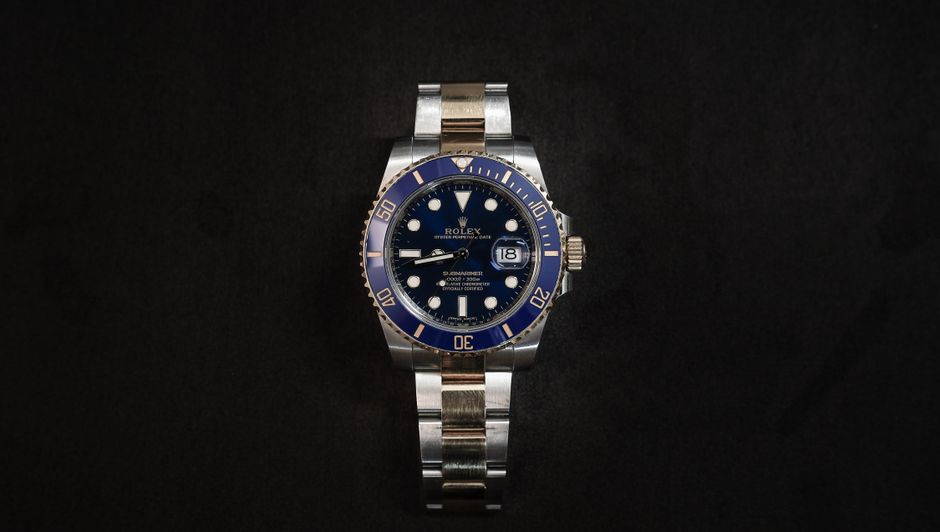
Summary: Can You Sell a Rolex Without Box and Papers?
In conclusion, you absolutely can sell your Rolex without the box and papers. While full documentation adds confidence and can boost the Rolex resale price, a combination of model desirability, condition, and current market conditions will ultimately govern your watch’s secondary market value. If you’re unsure, seek quotes from reputable buyers like Diamond Banc or consult recent auction results and trusted market analysis like that provided by Market Realist.
Remember, keep your expectations grounded by focusing on real transaction prices over hypothetical or advertised values. The secondary market moves fast, and understanding the precise dynamics will help you get a fair price and a smooth sale—box and papers or not.


Is an Online Estimate Good Enough for Estate Tax on Art?