
 Derek Finnegan
Minimalist wallets are no longer just niche gadgets for EDC geeks — they’ve become mainstream essentials for anyone who wants to carry less bulk and more convenience. Among the top contenders in this space, the Ekster Wallet has earned a solid reputation for smart design and quick card access. But with two flagship models in its lineup — the Ekster Wallet Pro $129 and the standard Ekster Wallet $99 — which one deserves your hard-earned cash?
We’ll break down the Ekster Pro differences, especially when compared to alternatives like the Ridge Wallet, and the rugged-coated options from Trayvax. If you’re the kind of person who’s tortured by wallets that demand two hands, poke your leg with sharp edges, or lose cards to RFID skimmers (or don’t), read on. By the end, you’ll have a clear picture of whether the $30 price jump on the Pro is justified.
Minimalist Carry and Pocket Comfort
Let’s start with what matters most to anyone who shoves their wallet in tight jeans pockets or slim-fit pants: comfort and size.
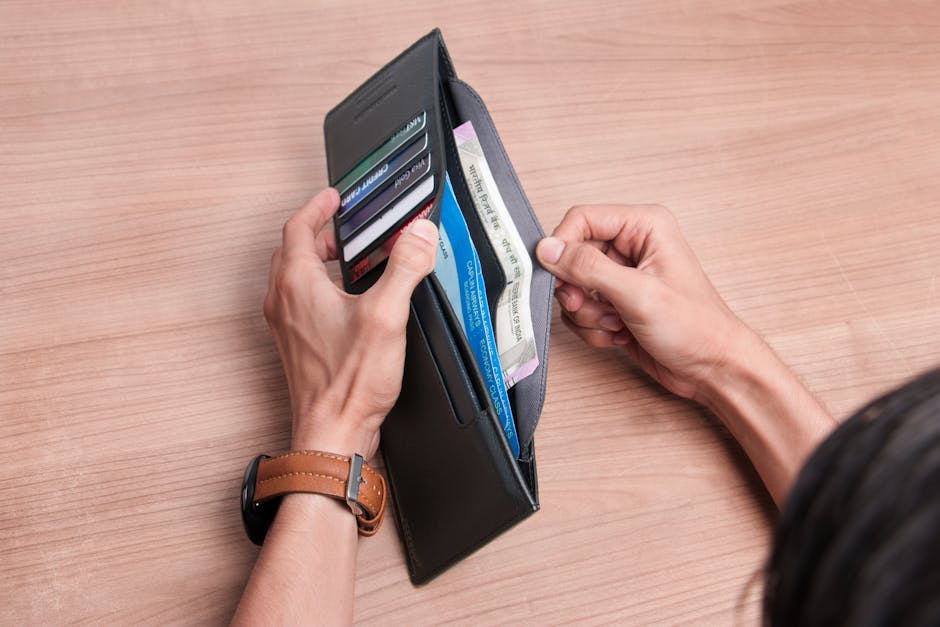
The Ekster Wallet $99 slots comfortably into the minimalist carry category. It holds up to 8 cards and some folded bills with an intuitive card pop-up mechanism activated by a smart slider. What I find notable here: the edges are rounded, so it’s not that sharp, annoying wallet I’ve felt too many times digging into my thigh.
Right off the bat, the Ekster Wallet Pro $129 ups the ante by slimming down further and shedding a few grams. It supports fewer cards—around 6 to 7—but the compromise feels right for tight pocket comfort. It’s meticulously designed with even smoother edges and a refined profile that doesn’t make me double-finger-grip it to insert or remove from a front pocket. If you dislike finger-pinching edges or carrying bulky bifolds like some Trayvax models — say, the Armored Summit or Element — Ekster’s Pro model feels like a breath of fresh air.
In comparison, the Ridge Anodized Aluminum Wallet starts from $95, which places it closer to the original Ekster. Ridge’s robust build is no joke, but it often requires two hands to deploy cards, and its rectangular, sharp-edged box shape digs into tight pockets for me.
Trayvax wallets like the Contour and Venture Billfold lean heavily on rugged, outdoorsy industrial aesthetics that may appeal more to the adventure crowd than the urban minimalist.
How Many Times Does Your Wallet Need Two Hands?
This is my own wallet stress test: how often do I need two hands to access my cards? Ekster’s sliders and pop-ups allow one-handed operation, both in the $99 and $129 models, but the Pro edges out the original in effortless one-hand deployment.
RFID Blocking: What It Actually Does
Let’s get one thing clear: RFID blocking isn’t magic, and it doesn’t turn your wallet into a shield of invisibility. Here’s a reality check: RFID blocking aims to prevent unauthorized scanning of your RFID-enabled cards, like contactless payment or access cards, by creating a Faraday cage around them.
Both Ekster wallets use aluminum parts embedded cleverly to disrupt RFID signals from opportunistic scanners. Does the Pro do this better? Not significantly — they both include this function with similar success rates. So if RFID security is your primary concern, both models have you covered well enough.

That said, shipping RFID elements often appear in Ridge Wallets too, given their aluminum or titanium shells. Trayvax’s metal and leather combinations (Original 2.0 and Venture Billfold) also claim RFID blocking capabilities, but detailed testing often shows it’s about the coverage and fit rather than claims.
Card Access Mechanisms: Stack, Pop-Up, Fan, or Pull Strap?
Wallet tech enthusiasts will know how card access mechanisms can make or break a minimalist wallet—pun intended.
- Ekster Wallet and Ekster Pro feature a quick sliding mechanism: a metal trigger on the side lets you fan out your cards in a neat stack, ready to pick from.
- Ridge Wallet
- Trayvax’s Original 2.0
The Ekster’s sliding pop-up wins points for speed and single-handed access. Between the $99 and $129 models, aviator wallet the Pro’s trigger is more refined and less prone to jamming or stickiness. This difference might seem subtle but shows up in daily use—and it’s why the $30 premium might feel worthwhile.
Materials and Durability
You put your wallet through its paces daily. Materials matter not just for looks but for durability and weight.
In practical terms, if you keep your wallet in your front pocket like me, the Ekster Pro $129 wins simply by being lighter and using titanium, which resists dents and bending better than aluminum. For folks who carry in backpacks or bags, the difference may feel negligible but for daily pocket carrying, less weight and no sharp edges matter.
The Verdict: Is $129 Worth It for the Ekster Wallet Pro?
If pocket comfort, everyday usability, and premium materials float your boat, then yes—the $30 price difference between the Ekster Wallet $99 and Ekster Wallet Pro $129 pays for itself in quality and ease of use. Particularly, if you’re someone who carries fewer than 8 cards and prioritizes sleekness, the Pro delivers faster card access and better pocket fit.
On the other hand, if you want a wallet that packs more cards, still offers quick card access, and slightly saves your wallet budget, the standard Ekster Wallet remains a solid buy. Compared to the Ridge Wallet which starts from $95 anodized aluminum, Ekster feels more comfortable in tight jeans and offers smoother card extraction — especially if you carry only one or two cards plus ID.
When it comes to RFID blocking, don’t be swayed by brand buzzwords — Ekster’s effective aluminum shielding works well on both models, similar to what you find in Ridge and many Trayvax offerings. The difference here lies more in ergonomics and material quality.
Don’t Forget to Stay Updated!
For more in-depth tools and wallet comparisons, don’t miss out on the Techpoint Digest newsletter signup — they often dissect gadgets like these with nerd-level detail. Also, sites using Paystack for secure payment processing ensure you buy from trusted sellers without fuss.
Summary Table: Ekster Wallet vs Ekster Wallet Pro vs Alternatives
In conclusion, the Ekster Wallet Pro $129 deserves a spot on your short list if you care about the finest edge in durability, comfort, and single-handed card deployment without bulk. Otherwise, the original Ekster Wallet or Ridge provide excellent entry points into the minimalist wallet world, each with their own pros and quirks. And yes, they’ll fit better than some thick Trayvax wallets in those unforgiving tight jeans pockets.


Is Heavy Hardware on a Tote a Red Flag?


