
 Derek Finnegan
The short answer: somewhere safe, flat, dry, and easy to reach—not leaning behind the coat rack until the next move. Removable game table leaves and top panels can turn a compact table into a larger surface for cards, puzzles, dining, or guests. But in a small home, the panels you remove need a storage plan of their own.
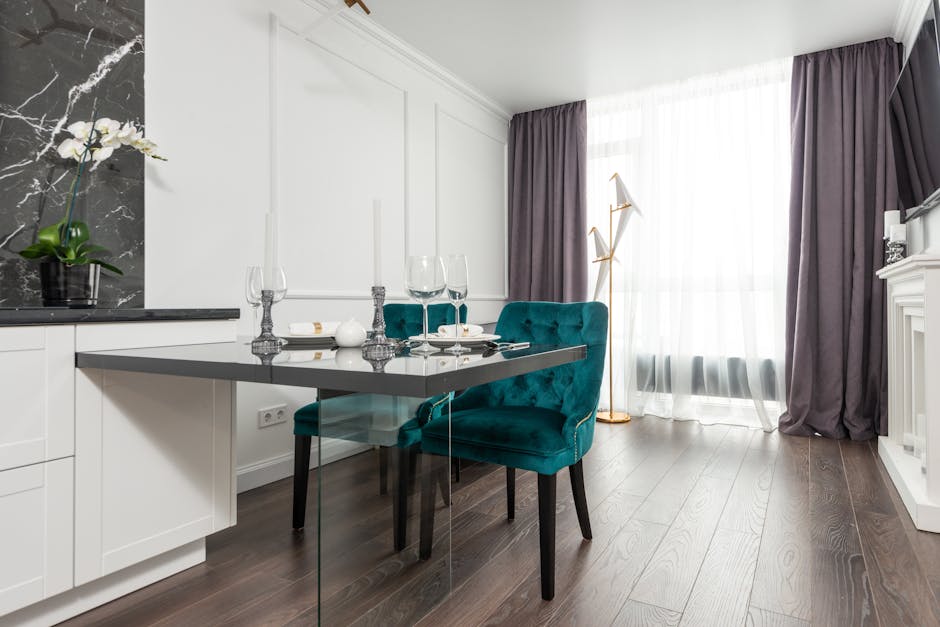
I learned to ask that question before a table leaves the showroom. After years of measuring furniture deliveries, I know the table’s tightest turn from curb to dining room can be only half the problem. The other half is finding a home for everything that comes off it. A panel that fits the table perfectly may be awkward in a closet, too wide for the space under a bed, or too heavy to store safely overhead.
This guide covers practical tabletop panels storage, the measurements worth taking before you buy, and how game tables compare with drop-leaf, gateleg, and extension-table designs. The goal is simple: choose a table that fits both your room and your real storage space.
First, Identify What Actually Comes Off
“Game table” can describe several different designs. Some have a removable protective top that covers a felt or recessed playing surface. Others use one or more extension leaves to widen the table. A convertible table might have separate pieces for dining, games, or another activity. Before planning storage, check exactly which parts are removable and whether they’re meant to be stored separately.
- Protective top panels: Usually cover the playing surface. They may come in two or more sections to make them easier to lift.
- Extension leaves: Add length or width to the table. They may be stored inside the table, in a dedicated rack, or separately.
- Convertible inserts: Change the table’s function or surface. These may have specific orientation or stacking requirements.
Ask the seller or manufacturer for the number of pieces, dimensions, weight, and recommended storage position. Also ask whether the panels have a carrying case, protective sleeve, or storage compartment. “The leaves come off” is not a storage plan.
Where to Store Game Table Leaves and Panels
1. Use a Built-In Storage Compartment
This is often the neatest option, but don’t assume the table has one just because it expands. Some tables hold their extension leaves inside the apron or beneath the tabletop; many game tables have no internal storage at all. Confirm what fits inside, how the compartment opens, and whether the pieces can be returned without forcing them into place.
If the panels store inside the table, consider access in the room. A table that must be pulled away from a wall or lifted to reach its storage may be inconvenient in a tight dining area.
2. Store Them Flat Under a Bed or Sofa
Under-bed storage can work well for slim, sturdy panels, provided the pieces are fully supported and protected from dust, moisture, and impacts. Measure the clear height under the bed, not just the advertised frame height. Include the panel’s thickness, any protective padding, and the space needed for your hand to slide it in and out.
Do the same check for a sofa. A panel that technically fits underneath but sticks into the walkway is likely to get kicked, scraped, or forgotten. Keep the stack away from damp exterior walls and avoid placing heavy boxes on top unless the manufacturer says the panels can bear that weight.
3. Use a Closet or a Dedicated Vertical Rack
A closet can make sense if the panels fit without blocking coats, linens, or the vacuum. A vertical rack or padded divider helps keep panels upright and separated. Don’t simply wedge them between a wall and a pile of household items: a panel can tip, warp, or get its corners chipped when something shifts.
Vertical storage requires special care. Check the manufacturer’s instructions for the correct orientation, support points, and maximum lean. If the panel is large or heavy, use a purpose-built rack and make sure it cannot slide or fall. Place it where you can lift it without twisting in a cramped corner.
4. Make a Space for Them in a Utility or Storage Area
A garage, basement, or storage room can be an option if it stays dry and has stable temperatures. Moisture and temperature swings can affect wood and other finishes. Protect the panels from direct contact with concrete, leaking pipes, sharp tools, and items that could fall against them. Use the supplied cover or a breathable furniture cover rather than wrapping a potentially damp panel tightly in plastic.
5. Store Them With the Table—Not Across the Room
The best storage location is one you can use consistently. If panels are awkward to carry through the home, storing them at the far end of a hallway might mean they never come out. Think through the whole route: where you’ll pick up the panel, the tightest turn, door widths, floor protection, and where it will land beside the table.
Measure Before You Buy: A Small-Home Checklist
Take measurements of the panels and the intended storage spot before buying the table. A tape measure in your pocket is more useful than a vague memory of the closet. Write down the measurements and compare them to the actual storage space, allowing room to handle the panels safely.
Don’t Forget Chair Clearance and Walkways
A table can fit on paper and still make a room frustrating. When checking the extended footprint, include the chairs pulled out for someone to sit down or stand up. Then consider the route people need to walk behind those chairs. The number of seats in a product description doesn’t tell you whether those seats will work in your room.
Use painter’s tape to mark the table outline in both its everyday and expanded positions. Add the approximate chair positions and walkways, then try moving around the layout. Can someone reach a doorway? Can a chair pull back without hitting a wall or another chair? Does the panel have a clear path from its storage spot to the tabletop? Count the chair-clearance inches before you commit.
Drop-Leaf and Gateleg Tables: Compact, With Different Trade-Offs
Drop-Leaf Tables
A drop-leaf table has hinged sections that lower when you don’t need the full surface. Because the leaves stay attached, there are usually no loose panels to store separately. That can be a real advantage when closet space is already spoken for.
The trade-off is that the lowered leaves still occupy some space, and the table’s shape and usable surface depend on which leaves are raised. Check the supports and hinges, and make sure there’s room to walk around the table in its compact position. Also confirm the raised surface is large enough for your intended game or activity.
Gateleg Tables
A gateleg table uses hinged supports that swing out to hold one or both leaves. Like a drop-leaf design, it often keeps its leaves attached, reducing the chance of a loose panel getting lost in a closet. It can offer a useful balance between a small everyday footprint and a larger surface when opened.
However, the swinging legs need clear floor space. Check for rugs, nearby chairs, baseboards, and anything else that could interfere as the supports move. Test how easy the gates are to open and whether the table feels stable in every configuration. “Folds away” doesn’t always mean it tucks neatly into every narrow room.
Extension Tables: Plan Leaf Storage Before the First Dinner
Extension tables typically grow when separate leaves are added between the tabletop sections. Some models have self-storing leaves; others require you to store the leaves elsewhere. If a table doesn’t have built-in storage, decide exactly where every leaf will live before purchasing it. A guest-room closet that already holds luggage may not be available when the holidays arrive.
Ask for the real dimensions of the table in every configuration, including its fully extended length. Product descriptions sometimes give the closed size and number of seats without making the expanded footprint obvious. Get the length with all leaves installed, the dimensions of each leaf, and the weight of the heaviest piece.
Make a Leaf-Storage Plan
- Choose the exact shelf, closet, bed clearance, or rack that will hold the leaves.
- Check that leaves can be stored according to the manufacturer’s guidance.
- Keep protective covers and any supports with the leaves.
- Label pieces if they have a required order or orientation.
- Leave enough access to retrieve them without moving half the room.
And think about the expanded table in use, not only at rest. Measure the fully extended tabletop, then mark the chairs and walkways. If the room only works when every chair is pushed against a wall, the table may be too large for regular entertaining.
Protecting Panels So They Stay Flat and Finish-Ready
Follow the table maker’s storage instructions first; materials and construction vary. In general, clean the panels before storing them, make sure they are dry, and keep them away from direct sun, heat sources, and damp areas. Use padding between stacked pieces so finishes don’t rub against each other. Avoid resting a panel on a narrow edge or placing heavy objects on an unsupported span.
Keep screws, brackets, and other removable hardware in a labeled bag near the table or secured to the storage rack. Don’t attach hardware in a way that could scratch the panel or table. If the pieces have a preferred face or direction, mark that https://patch.com/washington/edmonds/dining-tables-do-double-duty-small-homes information on a removable label or keep the instructions with them.
Common Storage Mistakes to Avoid
- Leaning panels loose behind furniture: They can slip, fall, or get damaged when the furniture moves.
- Assuming every leaf fits under the bed: Measure the actual opening and the entire panel, including padding.
- Storing panels in a damp space without protection: Basements and garages need a check for moisture and temperature conditions.
- Ignoring the route back to the table: A stored panel is only useful if you can carry it safely to the room.
- Buying an extension table without a leaf plan: Loose leaves become overflow clutter fast.
- Trusting the seat count alone: Check the fully extended length, chair pull-out space, and walking routes.
Choose the Table That Fits Your Storage Reality
If your home has a dedicated closet or built-in compartment, a game table with removable panels may be a smart way to get a versatile surface. If every cupboard is already full, a drop-leaf or gateleg design may be easier to live with because its leaves stay attached. An extension table can be a great choice, but only when you have a workable place for its leaves and enough room to use the table when it’s open.

Before buying, measure the table, each panel, the storage spot, and the route between them. Then map the room with the chairs pulled out. A little planning prevents a familiar small-home problem: a beautiful table in the middle of the room and its “temporary” top panels permanently parked in the hallway.


Is Social Media Semaglutide Ever Safe?


