Derek Finnegan
In the landscape of modern healthcare, the shift toward remote-first specialist care has been nothing short of a revolution. Clinics across the United Kingdom are moving away from the constraints of brick-and-mortar legacy systems, opting instead for integrated telemedicine platforms that promise efficiency, scalability, and enhanced patient access. However, this transition brings a critical challenge: the absolute necessity of secure medical-record handling.
For clinicians and practice managers, moving clinical operations online is not simply a matter of adopting new software; it is a fundamental shift in how patient confidentiality and data integrity are managed. As regulators like the Care Quality Commission (CQC) tighten their oversight, the digital “front door” of the clinic—from eligibility assessment to video consultations—must be built on a foundation of ironclad security.
The Shift to Remote-First Specialist Care
Remote-first care has fundamentally changed the patient journey. Patients now expect seamless digital experiences that mirrors the convenience of retail or banking. Yet, healthcare is not retail. The sensitivity of the data handled—from psychiatric histories to complex diagnostic images—requires a level of risk management far beyond that of standard enterprise software.
When clinics move to remote-first models, the medical record becomes the primary source of truth. If that record is compromised, lost, or improperly accessed, the clinical, legal, and reputational consequences are catastrophic. Secure record handling is the cornerstone of clinical governance in this new era.
Digital Eligibility and Onboarding: The First Line of Defense
The patient journey begins with digital eligibility and onboarding. This is the stage where a clinic assesses whether a patient is a suitable candidate for remote care. This process often involves the collection of sensitive health questionnaires, identity verification, and medical history disclosures.

In a regulated environment, this data collection is subject to strict oversight requirements. Secure record handling at this stage involves:
- End-to-End Encryption: Ensuring that patient data is encrypted both in transit (while being sent from the patient’s device) and at rest (stored within the platform’s database).
- Granular Consent Management: Properly tracking what the patient has consented to, who they have shared their data with, and for what purpose.
- Automated Data Minimization: Ensuring that only the necessary information is requested, reducing the potential impact of a data breach.
Video Consultations and Clinician Oversight
Remote video consultation tools are the lifeblood of virtual clinics. However, using general-purpose communication tools for clinical consultations is a major regulatory red flag. Regulated clinics must utilize platforms specifically designed for healthcare, which offer features such as secure, audited room links and integration with an Electronic Patient Record (EPR) system.
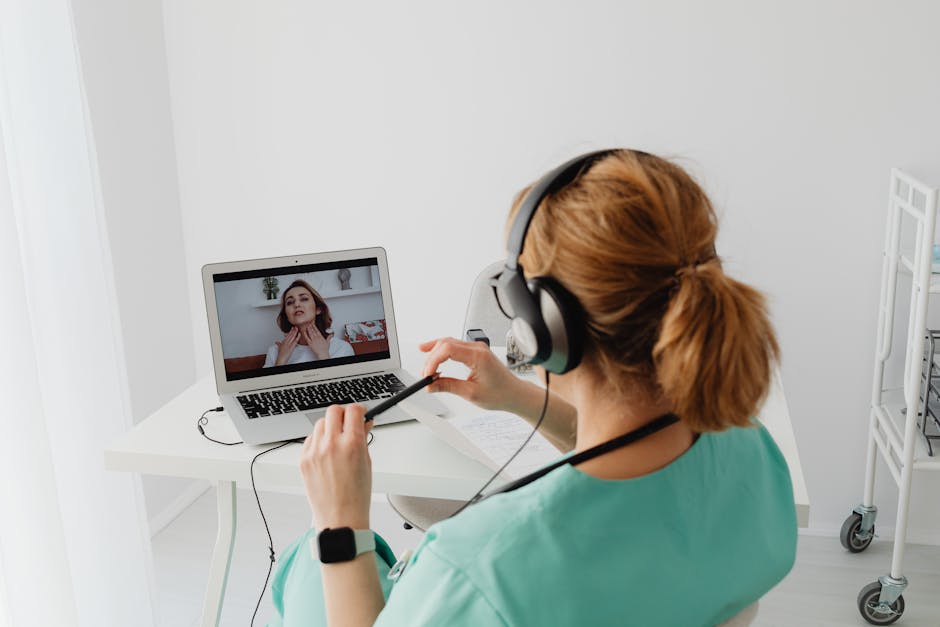
Effective clinician oversight requires that the video consultation is not a siloed event. It must be inextricably linked to the patient’s medical record. If a clinician conducts an assessment over video, the clinical notes, treatment plan, and any subsequent digital prescriptions must be automatically appended to that patient’s master record. This creates an immutable audit trail that proves the clinician followed established guidelines.
Why Auditability is Non-Negotiable
For UK healthcare providers, auditability is a legal necessity. If a clinical incident occurs, or if a patient raises a complaint, the ability to reconstruct the clinical encounter is vital. An auditable system answers three critical questions:
Comparison: Standard Communication vs. Regulated Telemedicine
The table below outlines the difference between relying on standard commercial communication tools versus a dedicated, compliant telemedicine platform.
The Regulatory Landscape: CQC and Beyond
The Care Quality Commission (CQC) maintains a sharp focus on the “Safe” and “Well-led” domains of their inspection framework. For a remote-first clinic, being “well-led” means demonstrating that the clinic has robust policies for secure medical-record handling. This involves more than just a firewall; it requires:
- Robust Access Controls: Ensuring that junior staff, consultants, and administrative support have access only to the data necessary for their specific roles (Principle of Least Privilege).
- Data Protection Impact Assessments (DPIAs): Regularly reviewing how data flows through the clinic’s digital platforms.
- Staff Training: Ensuring that everyone in the clinic understands their responsibilities under the UK GDPR and the Data Protection Act 2018.
Mitigating Clinical Risk
Secure record handling is ultimately about patient safety. If a clinician does not have access to an accurate, up-to-date medication list or boomset.com a history of previous adverse reactions due to poor record-handling practices, the potential for clinical error rises exponentially. A secure telemedicine platform ensures that the patient’s health record follows the patient, whether they are meeting the clinician at a physical site or via a virtual link.
Conclusion: Building Trust through Technology
As remote-first specialist care becomes the norm rather than the exception, the clinics that thrive will be those that treat data security as a core clinical competency rather than an IT afterthought. Secure medical-record handling is the infrastructure of trust.
By leveraging purpose-built telemedicine platforms and prioritizing auditability and patient confidentiality, regulated clinics can do more than just meet the minimum requirements of the CQC. They can create a robust, resilient care model that empowers clinicians, protects patients, and scales effectively. In the race to digitize healthcare, the clinics that win will be those that prove, through every click and consultation, that they are safeguarding their patients’ most sensitive asset: their health data.
Ultimately, the objective is simple: technology should facilitate the doctor-patient relationship, not compromise it. When medical-record handling is secure, clinicians are freed to focus on what matters most—delivering high-quality care, regardless of where they or their patients are located.